Category: Lifestyle & Health Headline

  • Government Should Consider Changing Single Sex Schools Into Both Sex Schools To Curbing LGBTQ Fast Rising Menace

    Government Should Consider Changing Single Sex Schools Into Both Sex Schools To Curbing LGBTQ Fast Rising Menace

    Government Should Consider Changing Single Sex Schools Into Both Sex Schools To Curbing LGBTQ Fast Rising Menace

    Open Letter To Education Minister And Director of GES.

    As we still deliberating on how best to reducing and orienting LGBTQ victims in our sociocultural settings, I consider the followings :

    ° That our single Sex Schools be gradually changed into mix schools ; that will help in full orientation of the young ones as they grow into late adolescent and adulthood.

    ° Psychological Counseling In All Schools ; this will encourage those with issues to that effect to seek redress taking into consideration their confidentiality won’t be broken.

    ° Empower Mental Health Authority to periodically give intensive Mental Health education in all the schools; this will give insight to the students to appreciating the problems and seeking for solution.

    Information available suggested that the induction of LGBTQ victims has their basis from the single Sex Schools. When you take ten 10 victims, probability of eight 8 being introduced to this abominable act started from school or better still, the one who championing this evil course have their second cycle schools in single Sex Schools.

    The affinity /attraction starts when same sex students jokingly plays with each others sexual parts and then move into actions. Those who boldly confirmed the disorder testified to that.

    I therefore call on all the stakeholders from parliament, ministry of education, GES, PTA , government and like-minded NGOs to get involved in reducing this rising social disorder among our future leaders.

    Our religions are against it, social and moral values against it too. It is time we go into action without fear or favor.

    Bismark Kwabla Kpobi.
    0209001524 WhatsApp
    0540824809 calls.
    Mental Health Nurse (SSN)

  • How To Make Your Hair Grow Faster Using Guava Leaves.

    How To Make Your Hair Grow Faster Using Guava Leaves.

    wash and boil the leaves for 10 to 15 minutes. Use a sieve to separate the leaves from the liquid.

    1. Make sure your hair is dry. Part it into pieces and pour the guava leaf solution into it. Massage the solution into your scalp for at least 10 minutes and ensur cte that it’s well spread. Massaging improves blood pressure, which helps the follicles receive more nutrition.
      Massage down into the tips of the roots while you apply the solution. You can leave this solution for up to two hours. Wrap your hair with a clean towel or bonnet till the next morning.

    4 . Rinse your hair with lukewarm water the next day and shampoo dry afterward.

  • Business of Fashion Seminar at Glitz Africa Fashion Week 2020.

    Business of Fashion Seminar at Glitz Africa Fashion Week 2020.

    Glitz Africa Fashion Week, Ghana’s biggest annual fashion event is coming back with its 8th edition.


    Produced by Glitz Africa, the exciting, Pan-African celebrity, fashion and lifestyle brand, GAFW brings together esteemed industry players and fashion enthusiasts to interact in an interactive weekend from 6th to 8th November 2020 at the Grand Arena, Accra International Conference Centre.


    GAFW returns with its annual Business of Fashion seminar which seeks to bring together key industry figures to share insights and current trends with fashion students, designers, influencers and enthusiasts.


    The theme for this year’s BoF seminar is, “Ethical issues in the business of fashion – tackling imitation among young designers & building a distinctive brand.”
    Speakers include:

    Mai Atafo – fashion designer and bespoke tailor (Nigeria)

    Ann McCreath – Fashion designer, KikoRomeo (Kenya)
    Anna Toure – Founder, founder of ANNA TOURE (a boutique PR agency specialized in fashion, beauty and lifestyle)

    Tonyi Senayah – CEO, Horseman Shoes (Ghana)

    Roberta Annan – Founder, African Fashion Foundation;

    Chiedza Makonnen – Fashion designer, Afrodesiac Worldwide

    Ejiro Amos Tafiri – Fashion designer (Nigeria)

    Details of the event are as follows:
    Date: Saturday, November 7, 2020

    Time: 10am

    Venue: Grand Arena, Accra International Conference Centre

    Registration is free.

    Glitz Africa Fashion Week – Projecting African Culture Through Design.


    Source: Glitz Africa

  • Benefits of Ginger for Men and Women.

    Benefits of Ginger for Men and Women.

    Ginger (Zingiber officinale) is a flowering plant whose root is used as spice. Aside this it has several health benefits.

    When grated and soaked in bitter lemon for extraction, it’s used for the treatment of chronic indigestion, strengthening of the immune system and lowering of blood sugar.

    Ground ginger when used to make soup is effective in preventing ovarian cancer in women by killing cancerous cells.
    Ginger root or simply ginger is effective in treating:

    Inflammation

    Diabetes

    Heart diseases

    High cholesterol

    Indigestion

    Muscle pain

    Soreness

    It’s also effective in:

    Cancer prevention

    Fighting of infection

    Respiratory disorders.

    Ginger is rich in vitamin C and E, beta-carotene and zinc which are powerful antioxidants that protect the prostate gland from harmful free radicals. It also protects the prostate gland from infection and inflammation.

    Ginger contains 6-gingerol, a substance with anti-cancer properties, thus preventing ovarian cancer. Ginger also reduces menstrual pain and it’s as effective as drugs like mefenamic acid and ibuprofen.

  • Lack of mental health help: ‘I felt nobody cares’.

    Lack of mental health help: ‘I felt nobody cares’.

    The number of under-18s getting NHS help for mental health issues in England nearly halved in the first two months of lockdown.

    Young people who weren’t able to get support say they felt like they “didn’t really matter”.

    Lucy, who’s 17, says she she didn’t know where to go for help.

    The number of people in England referred to Child and Adolescent Mental Health Services (CAMHS) dropped 47% in April and May, compared with last year.

    CAMHS is the name for NHS mental health support for people until they are 18.

    Replies to Freedom of Information (FOI) requests from 40 NHS Trusts in England showed 22,735 patients were referred, compared to 42,887 patients in the same two months last year.

    Another 10 Trusts weren’t able to answer within the deadline.

    The exclusive data was obtained by Radio 1 Newsbeat.

    Charities worry a drop like this could happen again if we see a second spike and further lockdowns around the UK.
    Lucy, who’s from Manchester, had gone to her school for counselling before – but when she wanted help in lockdown, her school was closed.

    She didn’t feel she could go to her GP either.

    “There were no face-to-face appointments which was a bit problematic, because it’s really hard to talk about mental health online.”

    Lucy ended up going for treatment privately after lockdown – she says she’s lucky that her mum had private health insurance to help pay for it.

    “Everything goes so much quicker when you go privately, but that’s a privilege most young people don’t have,” she says.

    “I knew I probably wasn’t going to be able to get any help from CAMHS.”

    The drop in referrals in lockdown “is likely to be because of school closures and the increased difficulties of going to your GP,” says Emma Thomas, chief executive at mental health charity YoungMinds.
    She adds it might have also been because of “some young people choosing not to look for help at a time when the NHS was under so much pressure.”

    But she believes many under-18s needed mental health support more than usual at that time, because of fears about the virus, social isolation, the loss of routine and in some cases, losing someone they cared about.

    “The combination of worsening mental health and reduced support could create a surge in demand over the coming months,” she warns.

    ‘You feel like you should just give up’
    After someone is referred to CAMHS, the service decides if they will be given treatment.

    As you’d expect from the drop in referrals, the FOI data also showed 40% fewer patients were accepted for help in April and May this year compared to in 2019.

    Olivia is 16 and was referred to CAMHS by her GP in March.

    She says the worry and stress of her GCSEs, the divorce of her parents, and the social isolation in lockdown made her feel completely alone.

    But although she was referred, she was then rejected for treatment twice in lockdown.

    She says it made her feel like she “didn’t really matter” and “making a big deal out of nothing.”

    “You feel like you should just give up because nobody really cares.”
    Olivia thinks pressure on health services in the pandemic played a part in the rejections, as she had been treated with CAMHS previously and was told she could come back to the service in future.

    “Accessing the service was difficult pre-Covid, but it’s certainly much, much harder since Covid hit,” she says.

    “It was quite apparent, or my instinct said, the reason it was more difficult was because of Covid.

    “It certainly impacted on our situation and made it a much more lengthy process.”

    It was only after a third referral – and lockdown restrictions lifted – that Olivia got treatment in August.

  • (Opinion) How to Lighten Your Skin Naturally at Home.

    (Opinion) How to Lighten Your Skin Naturally at Home.

    Skin lightening has been a trend for some time now and artificial lightening always brings some nasty side effects but did you know you can lighten your skin naturally by doing the following.


    Skin lightening is a cosmetic technique used to obtain even skin tone. Lemon helps in providing you with vitamin C which is needed by our skin to treat acne, dark spot, and hyperpigmentation.

    Massage lemon juice on your skin every day as a cleanser and rinse off and apply a moisturizer. Repeat this every day for great results. View pictures in App save up to 80% data.


    Coconut oil also helps to lighten your skin naturally,. Rub coconut oil o your face and neck and massage slowly and rinse off after a few minutes. Avoid using liquid coconut oil it might harm your skin.


    You can also use milk because the lactic acid in milk reduces skin pigmentation. Wash your face and put warm milk in a bowl and massage with cotton wool on the place you want to lighten. Milk also helps in moisturizing your skin. View pictures in App save up to 80% data.


    Apply aloe vera on your face with cotton wool and wash it off after 30 minutes, Aloe Vera help fade the acne scars on your face and make them less noticeable. You can also combine cucumber and aloe vera by making a paste then applying the paste on your face and leave it for 20 minutes and wash off with plain water.

    Turmeric also plays a huge role in lightening skin because it also prevents blemishes and spots. Use turmeric and honey and yogurt mix to make a mask, leave it for a few minutes and wash off with plain water. You can also repeat his once a week or twice. Always remember to use sunscreen every day to avoid sunburns which will darken your skin.

    You can also use potato juice mixed with lemon juice, it also helps in promoting clear skin and even skin tone.

    The above will not leave you with serious side effects like other skin lightening creams.

  • 7 Health Benefits of Eating Cucumber

    7 Health Benefits of Eating Cucumber

    Though commonly thought to be a vegetable, cucumber is actually a fruit.

    It’s high in beneficial nutrients, as well as certain plant compounds and antioxidants that may help treat and even prevent some conditions.

    1. It’s High in Nutrients

    Cucumbers are low in calories but high in many important vitamins and minerals.

    One 11-ounce (300-gram) unpeeled, raw cucumber contains the following.

    Calories: 45
    Total fat: 0 grams
    Carbs: 11 grams
    Protein: 2 grams
    Fiber: 2 grams
    Vitamin C: 14% of the RDI
    Vitamin K: 62% of the RDI
    Magnesium: 10% of the RDI
    Potassium: 13% of the RDI
    Manganese: 12% of the RDI
    Although, the typical serving size is about one-third of a cucumber, so eating a standard portion would provide about one-third of the nutrients above.

    2. It Contains Antioxidants

    Antioxidants are molecules that block oxidation, a chemical reaction that forms highly reactive atoms with unpaired electrons known as free radicals.

    3. It Promotes Hydration

    Water is crucial to your body’s function, playing numerous important roles (7Trusted Source).

    It is involved in processes like temperature regulation and the transportation of waste products and nutrients.

    4. It May Aid in Weight Loss

    Cucumbers could potentially help you lose weight in a few different ways.

    First of all, they are low in calories.

    Each one-cup (104-gram) serving contains just 16 calories, while an entire 11-ounce (300-gram) cucumber contains only 45 calories.

    This means that you can eat plenty of cucumbers without packing on the extra calories that lead to weight gain.

    5. It May Lower Blood Sugar

    Several animal and test-tube studies have found that cucumbers may help reduce blood sugar levels and prevent some complications of diabetes.

    6. It Could Promote Regularity

    Eating cucumbers may help support regular bowel movements.

    Dehydration is a major risk factor for constipation, as it can alter your water balance and make the passage of stool difficult.

    7. Easy to Add to Your Diet

    Mild with a distinctly crisp and refreshing flavor, cucumbers are commonly enjoyed fresh or pickled in everything from salads to sandwiches.

  • 7 Health Benefits of Tomatoes

    7 Health Benefits of Tomatoes

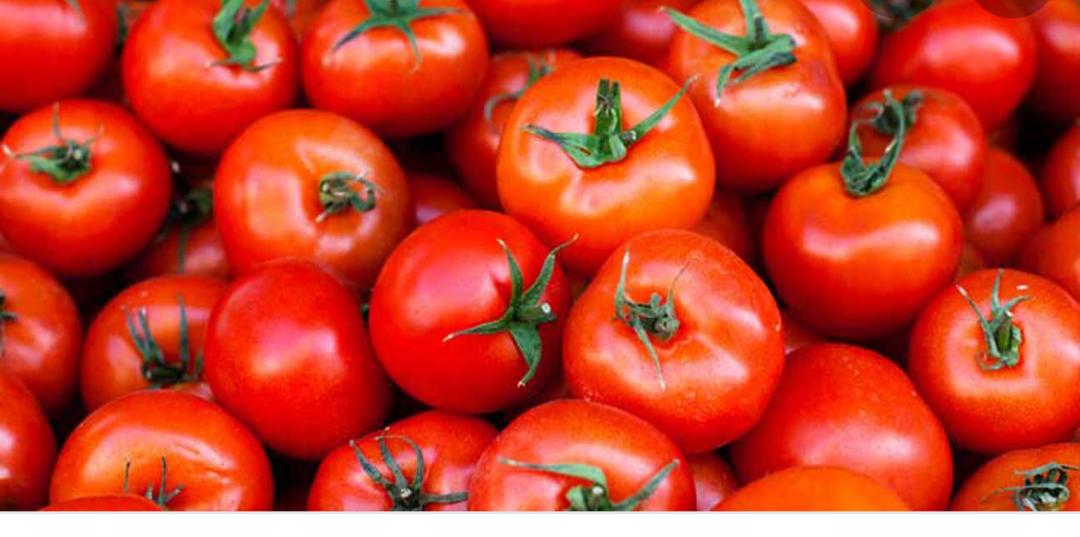
    Turns out the humble tomato is full of surprising perks for your skin, your gut, and more.

    Protect against cancer

    Observational studies have found links between the superstar compound lycopene and fewer incidences of prostate, ovarian, lung, and stomach cancers.

    Help with diabetes management

    Tomatoes may be a protective food for people with type 2 diabetes: In one study, people with diabetes who supplemented with cooked tomatoes for 30 days experienced a decrease in lipid peroxidation, a chain reaction in which substances called free radicals attack fat, leading to damage that ups the risk of heart disease. This is particularly important, because diabetes doubles the risk of stroke and heart attack.

    Improve you vision

    Lycopene is also good for your eyes. And that’s not the only peeper-protective nutrient in tomatoes; they contain lutein and beta-carotene as well. According to research, those nutrients support vision and protect against eye conditions including cataracts and macular degeneration.

    They protect heart health

    Tomatoes contain an antioxidant called lycopene, which is responsible for their red color. Research suggests that in terms of heart health benefits, it’s more effective to eat tomatoes and tomato products than take lycopene supplements. Other studies have shown that higher blood levels of lycopene are tied to lower death rates for people with metabolic syndrome, a cluster of risk factors that raise the chances of developing heart disease, diabetes, and stroke.

    Tomatoes are a great source of vitamins

    A single tomato can provide about 40% of the daily recommended minimum of vitamin C. What’s more, tomatoes supply vitamin A, which supports immunity, vision, and skin health; vitamin K, which is good for your bones; and potassium, a key nutrient for heart function, muscle contractions, and maintaining a healthy blood pressure and fluid balance.

    Boost digestive health

    The fluid and fiber in tomatoes may be helpful if you’re prone to constipation. (According to the USDA one large tomato contains 6 ounces of fluid, and 1.5 grams of fiber.) Just be aware that in some people, the acidity from cooked tomatoes may trigger or worsen acid reflux and indigestion.

    Guard skin health

    A 2011 study found that the combination of tomato paste and olive oil protected against sun damage, and boosted the production of pro-collagen, a molecule that gives the skin its structure and keeps it firm and youthful. Scientists believe that the lycopene in tomatoes is key. It’s at its highest concentration when tomatoes have been cooked, and olive oil boosts its absorption from your digestive system into your bloodstream.

  • 8 Health Benefits of Guava Fruit and Leaves

    8 Health Benefits of Guava Fruit and Leaves

    Guavas are tropical trees originating in Central America.

    Their fruits are oval in shape with light green or yellow skin and contain edible seeds. What’s more, guava leaves are used as an herbal tea and the leaf extract as a supplement.
    Here are 8 evidence-based health benefits of guava fruits and leaves.

    1. May Help Lower Blood Sugar Levels

    Some evidence suggests that guava can improve blood sugar control.

    Several test-tube and animal studies found that guava leaf extract improved blood sugar levels, long-term blood sugar control, and insulin resistance.

    This is good news for people with diabetes or those at risk.

    2. May Boost Heart Health

    Guavas may help boost heart health in a number of ways.

    Many scientists believe that the high levels of antioxidants and vitamins in guava leaves may help protect your heart from damage by free radicals.

    3. May Help Relieve Painful Symptoms of Menstruation

    Many women experience dysmenorrhea — painful symptoms of menstruation, such as stomach cramps.

    However, there is some evidence that guava leaf extract may reduce the pain intensity of menstrual cramps.

    4. May Benefit Your Digestive System

    Guavas are an excellent source of dietary fiber.

    Therefore, eating more guavas may aid healthy bowel movements and prevent constipation.

    Just one guava can provide 12% of your recommended daily intake of fiber.

    5. May Aid Weight Loss

    Guavas are a weight-loss-friendly food.

    With only 37 calories in one fruit and 12% of your recommended daily fiber intake, they are a filling, low-calorie snack.

    6. May Have an Anticancer Effect

    Guava leaf extract has been shown to have an anticancer effect. Test-tube and animal studies show that guava extract can prevent and even stop the growth of cancer cells.

    7. May Help Boost Your Immunity

    Low levels of vitamin C are linked to an increased risk of infections and illness.

    Guavas are a fantastic way to get this nutrient, as they’re one of the richest food sources of vitamin C.

    8. Eating Guavas May Be Good for Your Skin

    The wide range of vitamins and antioxidants packed into a guava may work wonders for your skin. Its antioxidants may protect your skin from damage, which can slow down its aging process, helping prevent wrinkles.

  • 7 Health and Nutrition Benefits of Potatoes

    7 Health and Nutrition Benefits of Potatoes

    Potatoes are a versatile root vegetable and a staple food in many households.

    They are an underground tuber that grows on the roots of the Solanum tuberosum plant(1Trusted Source).

    Potatoes are relatively cheap, easy to grow and packed with a variety of nutrients.

    Here are 7 health and nutrition benefits of potatoes.

    1. Packed With Nutrients
    Potatoes are an excellent source of many vitamins and minerals.

    One medium baked potato (6.1 ounces or 173 grams), including the skin, provides (2):

    Calories: 161
    Fat: 0.2 grams
    Protein: 4.3 grams
    Carbs: 36.6 grams
    Fiber: 3.8 grams
    Vitamin C: 28% of the RDI
    Vitamin B6: 27% of the RDI
    Potassium: 26% of the RDI
    Manganese: 19% of the RDI
    Magnesium: 12% of the RDI
    Phosphorus: 12% of the RDI
    Niacin: 12% of the RDI
    Folate: 12% of the RDI
    The nutritional content of potatoes can vary depending on the variety and how they are prepared. For example, frying potatoes adds more calories and fat than baking them.

    2. Contain Antioxidants

    Potatoes are rich in compounds like flavonoids, carotenoids and phenolic acids.

    These compounds act as antioxidants in the body by neutralizing potentially harmful molecules known as free radicals. When free radicals accumulate, they can increase the risk of chronic diseases like heart disease, diabetes and cancer .

    3. May Improve Blood Sugar Control

    Potatoes contain a special type of starch known as resistant starch.

    This starch is not broken down and fully absorbed by the body. Instead, it reaches the large intestine where it becomes a source of nutrients for the beneficial bacteria in your gut.

    4. May Improve Digestive Health

    The resistant starch in potatoes may also improve digestive health.

    When resistant starch reaches the large intestine, it becomes food for beneficial gut bacteria. These bacteria digest it and turn it into short-chain fatty acids.

    5. Naturally Gluten-Free

    The gluten-free diet is one of the most popular diets worldwide. It involves eliminating gluten, which is a family of proteins found in grains like spelt, wheat, barley and rye.

    6. Incredibly Filling

    Aside from being nutritious, potatoes are also incredibly filling.

    In one study, 11 people were fed 38 common foods and asked to rate foods based on how filling they were. Potatoes received the highest fullness rating of them all.

    In fact, potatoes were rated as being seven times more filling than croissants, which were ranked as the least filling food item.

    7. Extremely Versatile

    Not only are potatoes healthy, but they are also delicious and versatile.

    Potatoes can be prepared in many ways, including boiled, baked and steamed. However, frying potatoes may dramatically increase their calorie content if you use a lot of oil.

  • The Top 9 Brain Foods for Studying and Exams

    The Top 9 Brain Foods for Studying and Exams

    When you’re a student trying to memorize and understand a lot of new information, it’s important to keep your health in top shape. Staying healthy can promote academic performance and help you reach your educational goals.

    Although an overall healthy diet is most important for keeping your body and brain nourished and ready to take on difficult tasks, research shows that certain foods may be especially important for brain health and promoting mental performance.

    The following foods have been linked to improved brain health and make excellent choices when you’re cramming for an exam.

    Here are the top 9 brain foods for studying.

    1. Berries

    Berries are rich in a variety of compounds that may help promote academic performance and protect the health of your brain. Berries, including blueberries, strawberries, and blackberries, are especially high in flavonoid compounds called anthocyanins.

    Anthocyanins are believed to improve mental performance by increasing blood flow to your brain, protecting against inflammation, and improving certain signaling pathways that promote nerve cell production and cellular processes involved in learning and memory.

    2. Citrus fruits

    Citrus fruits are highly nutritious, and their intake has been linked to a variety of health benefits, including the promotion of brain health.

    Similarly to berries, citrus fruits like oranges and grapefruit are rich in flavonoids, including hesperidin, naringin, quercetin, and rutin, among others.

    3. Dark chocolate and cocoa products

    Cocoa has the highest flavonoid content by weight of any other food, which is why cocoa products like chocolate significantly contribute to dietary flavonoid intake. Consuming flavonoid-rich cocoa products may favorably affect brain health .

    4. Nuts

    Nuts are packed with nutrients that are essential for brain health, including vitamin E and zinc. They’re also portable and versatile, making them an excellent choice for study snacks .

    Nuts are concentrated sources of healthy fat, protein, and fiber, and they can help keep you fueled throughout marathon study sessions. Plus, some research shows that snacking on nuts may even help improve certain aspects of brain function.

    5.Eggs
    Eggs are often referred to as nature’s multivitamin due to the variety of nutrients they contain. They’re particularly rich in nutrients that are necessary for brain function, including vitamin B12, choline, and selenium.

    6. Avocados

    Avocados are versatile fruits that can be enjoyed in several ways, including mashed into guacamole, spread on toast, or simply enjoyed whole with a bit of salt. As a convenient study snack, they may also help boost your brain function.

    7. Fish

    Omega-3s are essential fats that play important roles in brain health. They’re concentrated in fatty fish, which are also excellent sources of other brain-health-promoting nutrients like vitamin B12 and selenium.

    It’s no surprise that a number of studies have linked fish intake to enhanced brain function.

    8. Beets

    Beets and beet products are rich in nitrates, which your body converts into a molecule called nitric oxide. Nitric oxide plays many important roles in your health, including proper nerve cell communication, blood flow, and brain function.

    9. Red, green, and orange vegetables

    Vegetable intake in general is associated with better brain function and the promotion of overall health .

    Red, orange, and green vegetables, including peppers, carrots, and broccoli, contain a variety of beneficial plant compounds, including carotenoid pigments, that have been shown to benefit mental performance.

  • Election 2020: ‘High-quality healthcare is a right for all’ says primary care physician

    Election 2020: ‘High-quality healthcare is a right for all’ says primary care physician

    Dr. Angela M. Bell is an internal medicine and sports medicine physician in Chicago.

    In this opinion piece, she shares her perspective on the upcoming 2020 election in the United States. Dr. Bell calls on society to “make space for humanity amongst the profit,” and urges voters to carefully consider which candidate is best placed to address their concerns about healthcare.
    Every election is said to be the most important election, but this time it feels different.

    The COVID-19 pandemic has put a spotlight on the U.S. Not only have the undercurrents of racism become tidal waves, but the fragility of our healthcare system and its glaring inequities have moved to center stage.

    The past 4 years have highlighted exactly how much separates us. I have found myself, at times, wondering how we can call ourselves the “United States” when divisive rhetoric and actions have seeped into everything from football to public health.

    I am hoping that the silver lining of this pandemic will be a true uniting around the idea that high-quality healthcare is a right for all.

    Story by; Abigail Essel

  • 9 Impressive Health Benefits of Cabbage

    9 Impressive Health Benefits of Cabbage

    Despite its impressive nutrient content, cabbage is often overlooked.

    While it may look a lot like lettuce, it actually belongs to the Brassica genus of vegetables, which includes broccoli, cauliflower and kale

    It comes in a variety of shapes and colors, including red, purple, white and green, and its leaves can be either crinkled or smooth.

    This vegetable has been grown around the world for thousands of years and can be found in a variety of dishes, including sauerkraut, kimchi and coleslaw.

    Additionally, cabbage is loaded with vitamins and minerals.

    This article uncovers 9 surprising health benefits of cabbage, all backed by science.

    1. Cabbage Is Packed With Nutrients
      Even though cabbage is very low in calories, it has an impressive nutrient profile.

    In fact, just 1 cup (89 grams) of raw green cabbage contains (2):

    Calories: 22
    Protein: 1 gram
    Fiber: 2 grams
    Vitamin K: 85% of the RDI
    Vitamin C: 54% of the RDI
    Folate: 10% of the RDI
    Manganese: 7% of the RDI
    Vitamin B6: 6% of the RDI
    Calcium: 4% of the RDI
    Potassium: 4% of the RDI
    Magnesium: 3% of the RDI
    Cabbage also contains small amounts of other micronutrients, including vitamin A, iron and riboflavin.

    As you can see in the list above, it is rich in vitamin B6 and folate, both of which are essential for many important processes in the body, including energy metabolism and the normal functioning of the nervous system.

    In addition, cabbage is high in fiber and contains powerful antioxidants, including polyphenols and sulfur compounds (2).

    Antioxidants protect the body from damage caused by free radicals. Free radicals are molecules that have an odd number of electrons, making them unstable. When their levels become too high, they can damage your cells.

    Cabbage is especially high in vitamin C, a potent antioxidant that may protect against heart disease, certain cancers and vision loss

    1. It May Help Keep Inflammation in Check
      Inflammation isn’t always a bad thing.

    In fact, your body relies on the inflammatory response to protect against infection or speed up healing. This kind of acute inflammation is a normal response to an injury or infection.

    On the other hand, chronic inflammation that occurs over a long period of time is associated with many diseases, including heart disease, rheumatoid arthritis and inflammatory bowel disease.

    Cruciferous vegetables like cabbage contain many different antioxidants that have been shown to reduce chronic inflammation (7).

    In fact, research has shown that eating more cruciferous vegetables reduces certain blood markers of inflammation.

    One study including over 1,000 Chinese women showed that those who ate the highest amounts of cruciferous vegetables had considerably lower levels of inflammation, compared to those who ate the lowest amounts (9).

    Sulforaphane, kaempferol and other antioxidants found in this remarkable group of plants are likely responsible for their anti-inflammatory effect

    1. Cabbage Is Packed With Vitamin C

    Vitamin C, also known as ascorbic acid, is a water-soluble vitamin that serves many important roles in the body.

    For instance, it’s needed to make collagen, the most abundant protein in the body. Collagen gives structure and flexibility to the skin and is critical for the proper functioning of the bones, muscles and blood vessels (12).

    Additionally, vitamin C helps the body absorb non-heme iron, the type of iron found in plant foods.

    What’s more, it’s a powerful antioxidant. In fact, it has been extensively researched for its potential cancer-fighting qualities .

    Vitamin C works to protect the body from damage caused by free radicals, which has been associated with many chronic diseases, including cancer.

    Evidence suggests that a diet high in vitamin-C-rich foods is associated with a lower risk of certain cancers.

    In fact, a recent analysis of 21 studies found that the risk of lung cancer decreased by 7% for each daily 100-mg increase in vitamin C intake.

    However, this study was limited because it could not determine whether the decreased risk of lung cancer was caused by vitamin C or other compounds found in fruits and vegetables.

    While many observational studies have found a link between higher vitamin C intake and a reduced risk of certain cancers, results from controlled studies remain inconsistent.

    Even though more research is needed to determine this vitamin’s role in cancer prevention, it’s certain that vitamin C plays a key role in many important functions in the body.

    While both green and red cabbage are excellent sources of this potent antioxidant, red cabbage contains about 30% more.

    One cup (89 grams) of chopped red cabbage packs in 85% of the recommended intake for vitamin C, which is the same amount found in a small orange (21).

    1. It Helps Improve Digestion

    If you want to improve your digestive health, fiber-rich cabbage is the way to go.

    This crunchy vegetable is full of gut-friendly insoluble fiber, a type of carbohydrate that can’t be broken down in the intestines. Insoluble fiber helps keep the digestive system healthy by adding bulk to stools and promoting regular bowel movements (22Trusted Source).

    What’s more, it’s rich in soluble fiber, which has been shown to increase the number of beneficial bacteria in the gut. This is because fiber is the main fuel source for friendly species like Bifidobacteria and Lactobacilli.

    These bacteria perform important functions like protecting the immune system and producing critical nutrients like vitamins K2 and B12.

    Eating more cabbage is an excellent way to keep your digestive system healthy and happy.

    1. May Help Keep Your HeartHealthy

    Red cabbage contains powerful compounds called anthocyanins. They give this delicious vegetable its vibrant purple color.

    Anthocyanins are plant pigments that belong to the flavonoid family.

    Many studies have found a link between eating foods rich in this pigment and a reduced risk of heart disease.

    In a study including 93,600 women, researchers found that those with a higher intake of anthocyanin-rich foods had a much lower risk of a heart attack.

    1. May Lower Blood Pressure

    High blood pressure affects more than one billion people worldwide and is a major risk factor for heart disease and stroke.

    Doctors often advise patients with high blood pressure to reduce their salt intake. However, recent evidence suggests that increasing your dietary potassium is just as important for lowering blood pressure .

    Potassium is an important mineral and electrolyte that the body needs to function properly. One of its main jobs is to help regulate blood pressure by counteracting the effects of sodium in the body .

    Potassium helps excrete excess sodium through urine. It also relaxes blood vessel walls, which lowers blood pressure.

    While both sodium and potassium are important for health, modern diets tend to be too high in sodium and too low in potassium .

    Red cabbage is an excellent source of potassium, delivering 12% of the RDI in a 2-cup (178-gram) serving

    Eating more potassium-rich cabbage is a delicious way to lower high blood pressure and may help keep it within a healthy range

    1. Could Help Lower Cholesterol Levels

    Cholesterol is a waxy, fat-like substance found in every cell in your body.

    Some people think all cholesterol is bad, but it’s essential for the body’s proper functioning.

    Critical processes depend on cholesterol, such as proper digestion and the synthesis of hormones and vitamin D.

    However, people who have high cholesterol also tend to have an increased risk of heart disease, especially when they have elevated levels of “bad” LDL cholesterol.

    1. Cabbage Is an Excellent Source of Vitamin K

    Vitamin K is a collection of fat-soluble vitamins that plays many important roles in the body.

    These vitamins are divided into two main groups (41).

    Vitamin K1 (phylloquinone): Found primarily in plant sources.
    Vitamin K2 (menaquinone): Found in animal sources and some fermented foods. It is also produced by bacteria in the large intestine.
    Cabbage is a terrific source of vitamin K1, delivering 85% of the recommended daily amount in a single cup (89 grams) (2).

    Vitamin K1 is a key nutrient that plays many important roles in the body.

    One of its main functions is to act as a cofactor for enzymes that are responsible for clotting the blood (41).

    Without vitamin K, the blood would lose its ability to clot properly, increasing the risk of excessive bleeding.

    1. It’s Very Easy to Add to Your Diet

    In addition to being super healthy, cabbage is delicious.

    It can be eaten raw or cooked and added to a wide variety of dishes like salads, soups, stews and slaws.

    This versatile veggie can even be fermented and made into sauerkraut.

    In addition to being adaptable to many recipes, cabbage is extremely affordable.

    No matter how you prepare cabbage, adding this cruciferous vegetable to your plate is a tasty way to benefit your health.


  • 11 Benefits of Eating Fish

    11 Benefits of Eating Fish

    11 Evidence-Based Health Benefits of Eating Fish is among the healthiest foods on the planet.

    It’s loaded with important nutrients, such as protein and vitamin D.

    Fish is also a great source of omega-3 fatty acids, which are incredibly important for your body and brain.

    Here are 11 health benefits of eating fish that are supported by research.

    1. High in important nutrients

    Fish is packed with many nutrients that most people are lacking.

    This includes high-quality protein, iodine, and various vitamins and minerals.

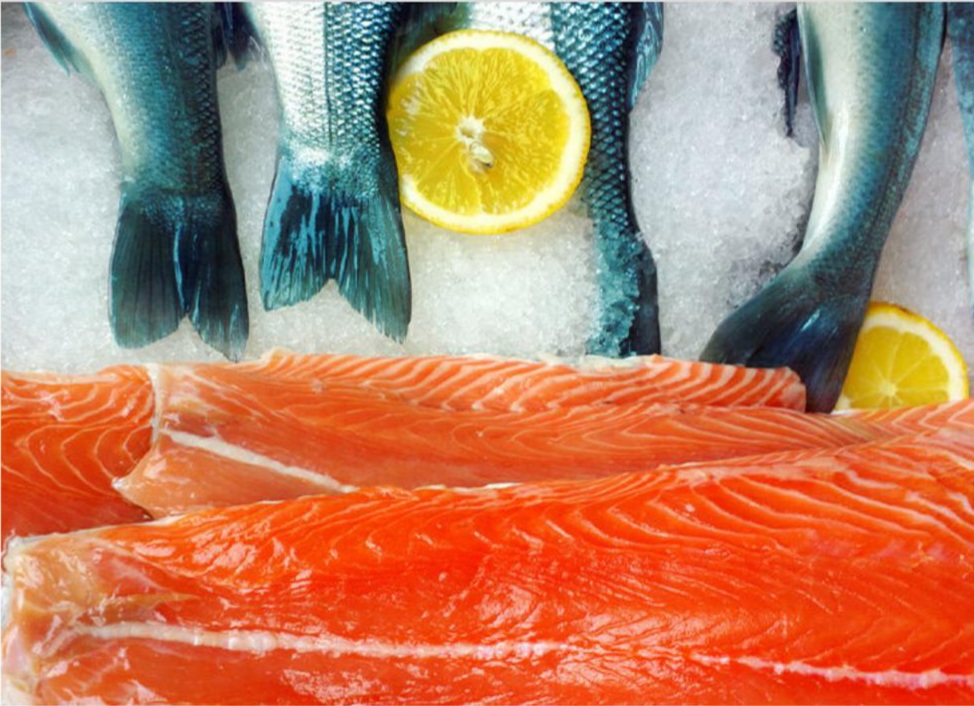
    Fatty species are sometimes considered the healthiest. That’s because fatty fish, including salmon, trout, sardines, tuna, and mackerel, are higher in fat-based nutrients.

    This includes vitamin D, a fat-soluble nutrient that many people are lacking.

    Fatty fish also boast omega-3 fatty acids, which are crucial for optimal body and brain function and strongly linked to a reduced risk of many diseases.

    1. May lower your risk of heart attacks and strokes

    Heart attacks and strokes are the two most common causes of premature death in the world .

    Fish is considered one of the most heart-healthy foods you can eat.

    Unsurprisingly, many large observational studies show that people who eat fish regularly have a lower risk of heart attacks, strokes, and death from heart disease.

    In one study in more than 40,000 men in the United States, those who regularly ate one or more servings of fish per week had a 15% lower risk of heart disease .

    Researchers believe that fatty types of fish are even more beneficial for heart health due to their high omega-3 fatty acid content.

    .3. Contain nutrients that are crucial during development

    Omega-3 fatty acids are essential for growth and development.

    The omega-3 fat docosahexaenoic acid (DHA) is especially important for brain and eye development .

    For this reason, it’s often recommended that pregnant and breastfeeding women eat enough omega-3 fatty acids .

    However, some fish are high in mercury, which is linked to brain developmental problems.

    Thus, pregnant women should only eat low-mercury fish, such as salmon, sardines, and trout, and no more than 12 ounces (340 grams) per week.They should also avoid raw and uncooked fish because it may contain microorganisms that can harm the fetus.

    1. May boost brain health

    Your brain function often declines with aging.

    While mild mental decline is normal, serious neurodegenerative ailments like Alzheimer’s disease also exist.

    Many observational studies show that people who eat more fish have slower rates of mental decline .

    Studies also reveal that people who eat fish every week have more gray matter — your brain’s major functional tissue — in the parts of the brain that regulate emotion and memory

    1. May help prevent and treat depression

    Depression is a common mental condition.

    It’s characterized by low mood, sadness, decreased energy, and loss of interest in life and activities.

    Although it isn’t discussed nearly as much as heart disease or obesity, depression is currently one of the world’s biggest health problems.

    Studies have found that people who eat fish regularly are much less likely to become depressed (12Trusted Source).

    Numerous controlled trials also reveal that omega-3 fatty acids may fight depression and significantly increase the effectiveness of antidepressant medications (13Trusted Source, 14Trusted Source, 15Trusted Source).

    Fish and omega-3 fatty acids may also aid other mental conditions, such as bipolar disorder .

    1. A good dietary sources of vitamin D

    Vitamin D functions like a steroid hormone in your body — and a whopping 41.6% of the U.S. population is deficient or low in it .

    Fish and fish products are among the best dietary sources of vitamin D. Fatty fish like salmon and herring contain the highest amounts .

    A single 4-ounce (113-gram) serving of cooked salmon packs around 100% of the recommended intake of vitamin D.

    Some fish oils, such as cod liver oil, are also very high in vitamin D, providing more than 200% of the Daily Value (DV) in a single tablespoon (15 ml).

    If you don’t get much sun and don’t eat fatty fish regularly, you may want to consider taking a vitamin D supplement.

    1. May reduce your risk of autoimmune diseases

    Autoimmune diseases like type 1 diabetes occur when your immune system mistakenly attacks and destroys healthy body tissues.

    Several studies link omega-3 or fish oil intake to a reduced risk of type 1 diabetes in children, as well as a form of autoimmune diabetes in adults.

    The omega-3 fatty acids and vitamin D in fish and fish oils may be responsible.

    Some experts believe that fish intake may also lower your risk of rheumatoid arthritis and multiple sclerosis, but the current evidence is weak at best.

    1. May help prevent asthma in children

    Asthma is a common disease characterized by chronic inflammation of your airways.

    Rates of this condition have increased dramatically over the past few decades .

    Studies show that regular fish consumption is linked to a 24% lower risk of asthma in children, but no significant effect has been found in adults .

    1. May protect your vision in old age

    Age-related macular degeneration (AMD) is a leading cause of vision impairment and blindness that mostly affects older adults .

    Some evidence suggests that fish and omega-3 fatty acids may protect against this disease.

    In one study, regular fish intake was linked to a 42% lower risk of AMD in women .

    Another study found that eating fatty fish once per week was linked to a 53% decreased risk of neovascular (“wet”) AMD .

    1. Fish may improve sleep quality

    Sleep disorders have become incredibly common worldwide.

    Increased exposure to blue light may play a role, but some researchers believe that vitamin D deficiency may also be involved .

    In a 6-month study in 95 middle-aged men, a meal with salmon 3 times per week led to improvements in both sleep and daily functioning.

    The researchers speculated that this was caused by the vitamin D content.

    1. Delicious and easy to prepar

    Fish is delicious and easy to prepare.

    For this reason, it should be relatively easy to incorporate it into your diet. Eating fish one or two times per week is considered sufficient to reap its benefits.

    If possible, choose wild-caught fish rather than farmed. Wild fish tends to have more omega-3s and is less likely to be contaminated with harmful pollutants.

    Salmon can be prepared baked, fried, seared, or boiled. It pairs well with a multitude of vegetables and grains.

  • Health Benefit Of Rosemary

    Health Benefit Of Rosemary

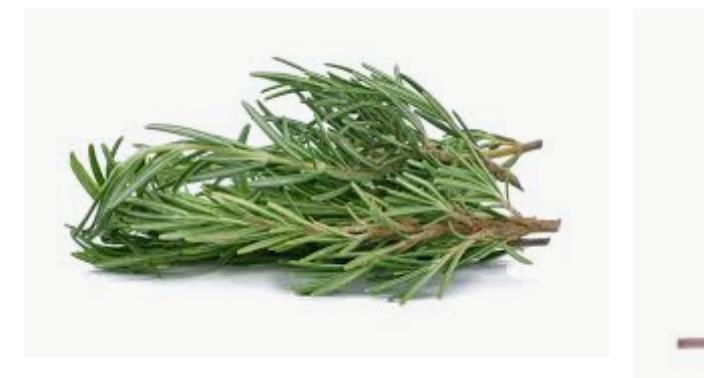
    It is a fragrant herb native to the Mediterranean region. It has a warm, bitter taste and it provides a nice flavor and aroma to many foods.

    In addition, rosemary can be used in tea or as an essential oil or liquid extract.Rosemary is not only known for its taste and smell; it is also renowned for the many health benefits it possesses. A good source of iron, calcium and vitamins A, C, and B-6, rosemary has been used for its medicinal purposes for centuries.

    Some of the many potential health benefits of rosemary include:

    Rosemary is a rich source of antioxidants and anti-inflammatory compounds, which are thought to help boost the immune system and improve blood circulation.

    Rosemary is considered a cognitive stimulant and can help improve memory performance and quality. It is also known to boost alertness, intelligence, and focus.
    The aroma of rosemary has been linked to improving mood, clearing the mind, and relieving stress in those with chronic anxiety or stress hormone imbalances.


    The oil of rosemary has been known to promote hair growth prevent baldness, slow graying, and treat dandruff and dry scalp.

    Rosemary is often used for digestion problems, including heartburn, intestinal gas, liver and gallbladder complaints, and loss of appetite.

    Rosemary is specifically powerful against bacterial infections. It is linked to preventing staph infections.

    The nutrients in rosemary help protect skin cells from damage often caused by the sun and free radicals.

    Rosemary is safe when taken in low doses, but if consumed in very large doses if can lead to serious side effects, such as vomiting, spasms, or even pulmonary edema.

    Please consult with your doctor before incorporating rosemary into your diet.

    Story by; Doris Martey