Author: Nana Asor

  • The Mental Health Crisis Fueled by Corrupt Governance: A Call for Change

    The Mental Health Crisis Fueled by Corrupt Governance: A Call for Change

    Bismark Kwabla Kpobi, Executive Director of ASK Health Advocacy Foundation, has raised serious concerns about the detrimental impact of government corruption on the mental health of citizens. Despite being endowed with abundant natural resources such as gold, bauxite, timber, crude oil, and cocoa, the populace continues to suffer due to the self-serving and corrupt practices of government officials. These leaders, prioritizing their wealth over sustainable development and public welfare, have plunged the nation into socio-economic hardship, severely affecting the mental health of its citizens.
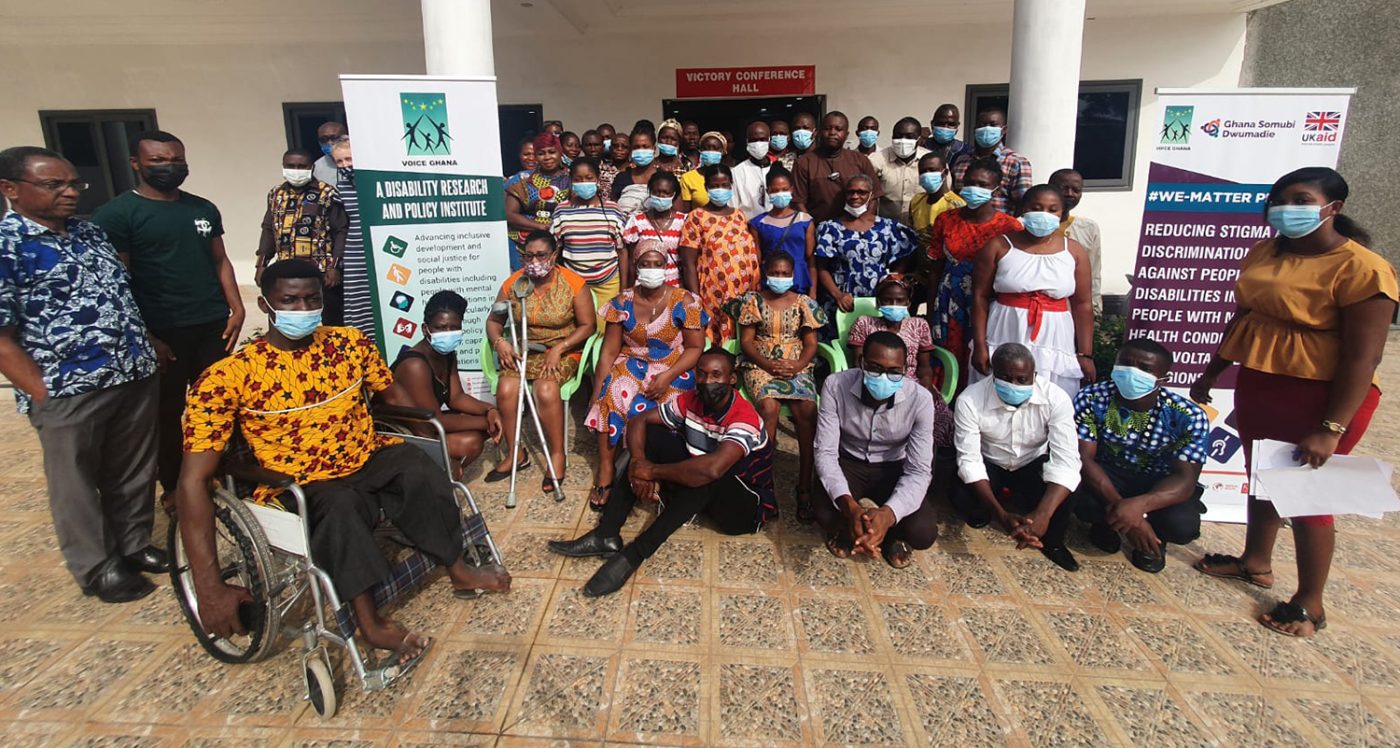
    The pervasive incompetence and lack of foresight among government appointees have led to widespread stress, anxiety, and depression among the populace. As a result, many individuals turn to substance abuse to cope with suicidal thoughts and hunger. The negative effects of corrupt governance extend to societal issues such as marital breakdowns, high youth unemployment rates, and a decline in sexual health, with some resorting to dangerous aphrodisiacs that pose severe physical health risks, including organ damage and heart attacks.

    Also Read

    Adding to the distress is the blatant disrespect and arrogance displayed by government officials, who often dismiss citizens as lazy or unqualified. Opportunities that once offered hope to the youth, such as careers in security services or positions in state institutions, now require substantial bribes or connections, further eroding the public’s trust and hope.

    Citizens are left in a state of despair, their talents wasted in an environment that stifles their potential. Kpobi calls for a radical change in leadership behavior, emphasizing the need for accountability, maintenance of culture, and selfless governance to alleviate the suffering of the masses. He stresses the importance of mental health support, urging individuals not to succumb to despair or suicidal thoughts, but to seek help and remain safe.

    Bismark Kwabla Kpobi concludes with a powerful plea: “One cannot attain total physical health without total mental health.” It is imperative for leaders to prioritize the well-being of the people and work towards creating a nation that values and uplifts every citizen.
  • MP Joycelyn Tetteh Clears Medical Bills, Donates to Mothers and Children at Anfoega Catholic Hospital on World Mother’s Day

    MP Joycelyn Tetteh Clears Medical Bills, Donates to Mothers and Children at Anfoega Catholic Hospital on World Mother’s Day

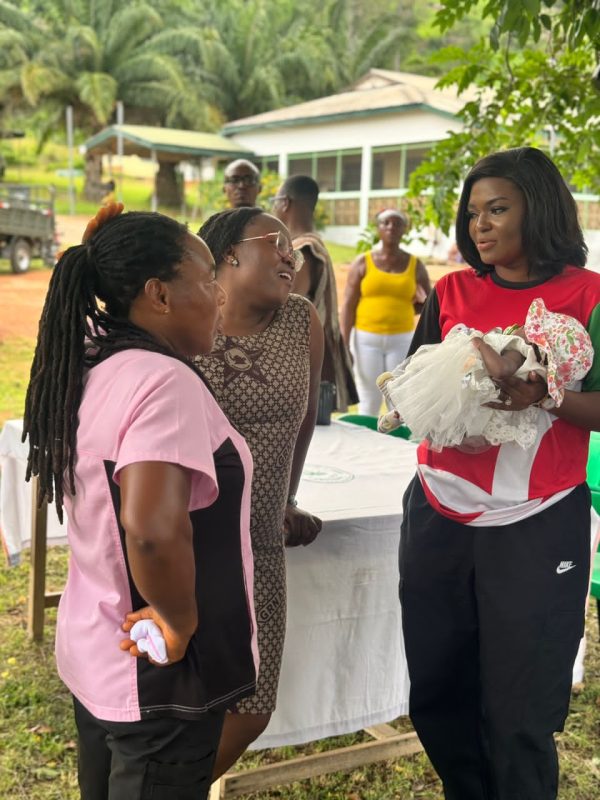
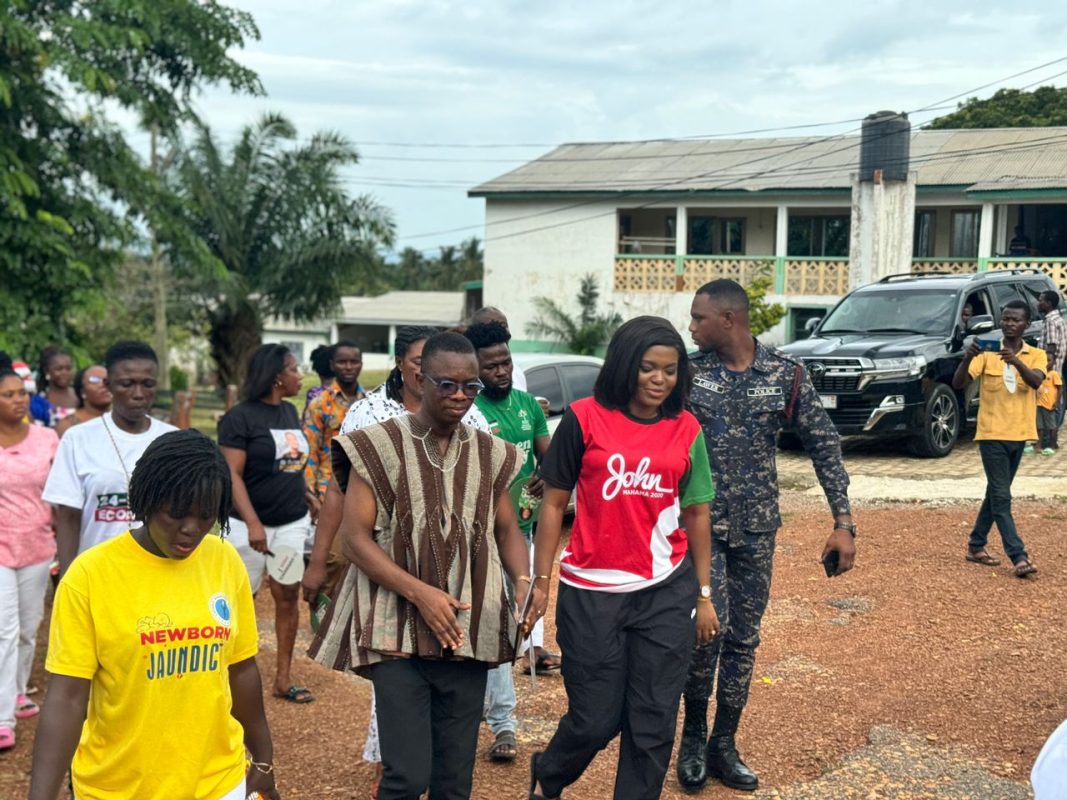
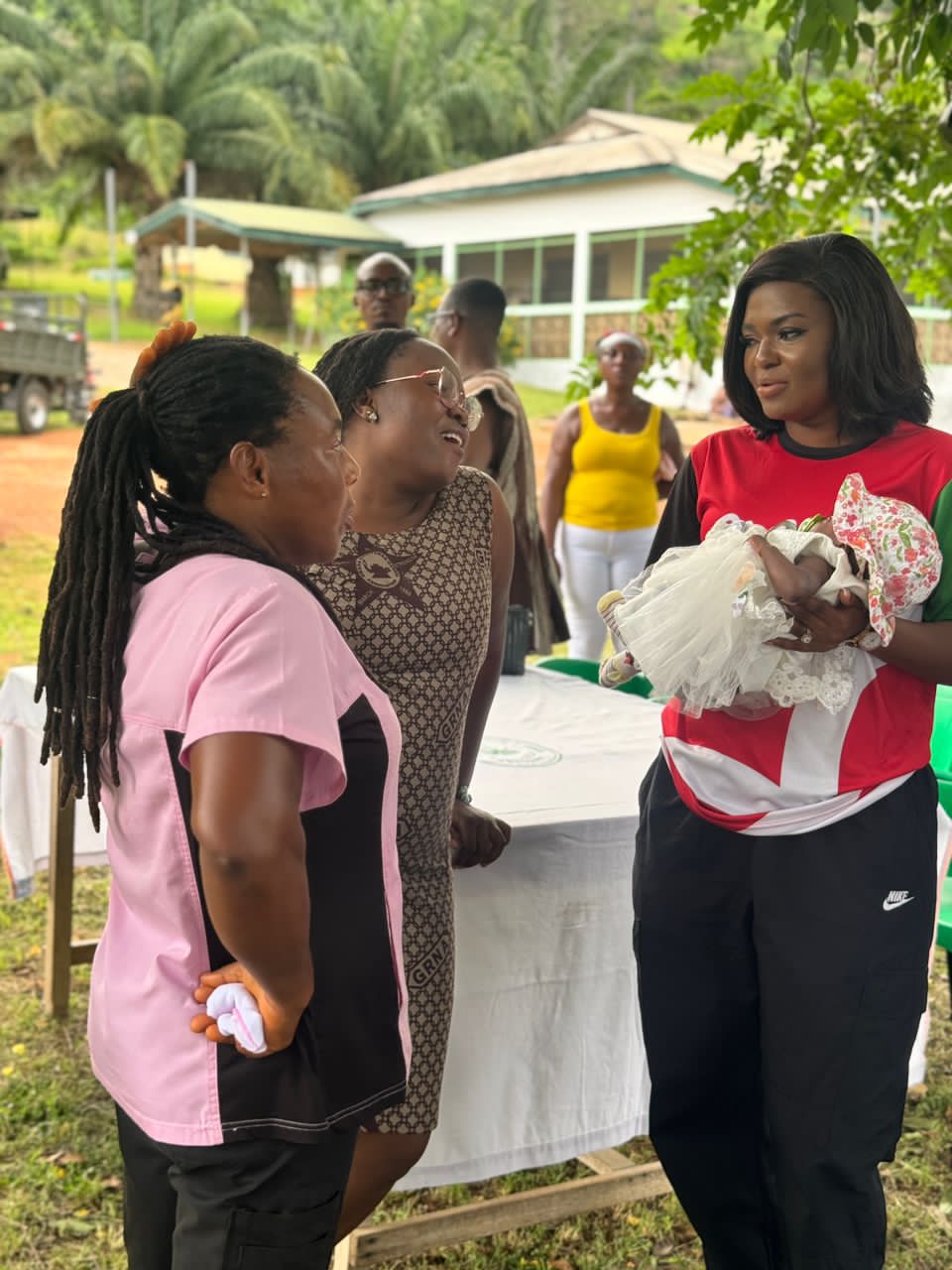
    To mark World Mother’s Day, the Honorable Member of Parliament for North Dayi Constituency, Hon. Joycelyn Tetteh, extended her generosity to Anfoega Catholic Hospital. She took the opportunity to clear all medical bills for mothers and children in the hospital’s wards.

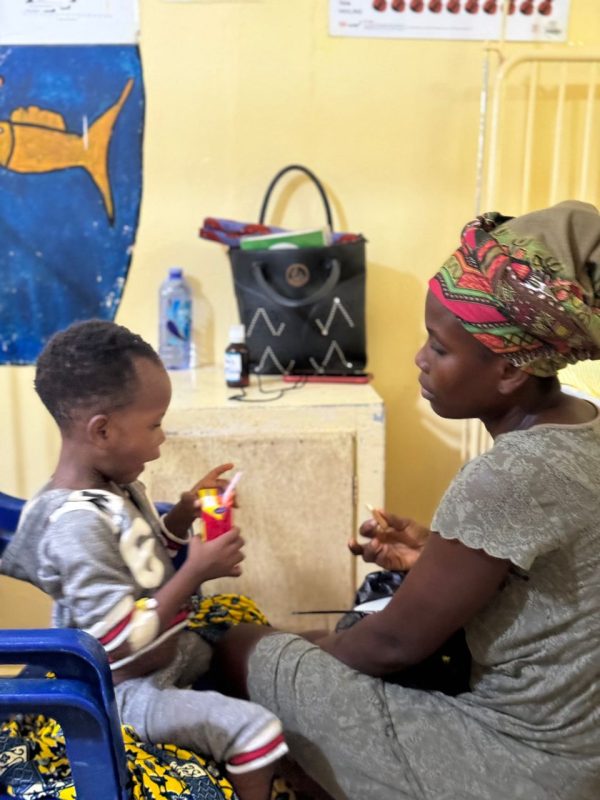
    In an effort to improve maternal mental health, Hon. Joycelyn Tetteh donated diapers, soaps, toiletries, soft drinks, and half pieces of cloth to all the mothers in the wards, alleviating their concerns about caring for their children.

    Recognizing the transportation needs of these mothers and children, she also provided them with tokens for their journeys back to their respective communities.

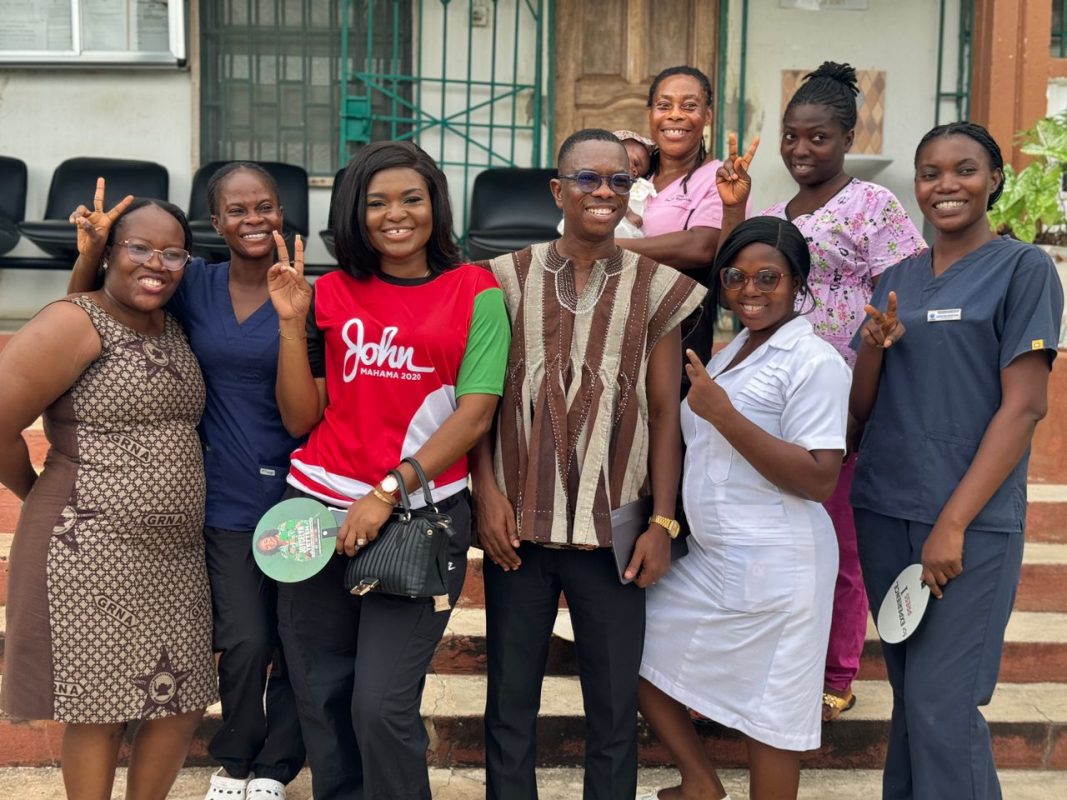
    Not content with just assisting the patients, Hon. Joycelyn also sought to bring smiles to the faces of the health workers at the hospital. She provided them with motivation, encouraging them to continue delivering excellent healthcare services to the residents of North Dayi Constituency.

    The clients, their relatives, and the hospital staff expressed profound gratitude to Hon. MP Joycelyn for her consistent support and timely intervention.

    In her brief address, Hon. Joycelyn advised young mothers to consider family planning as a means to space the ages of their children, ensuring both their mental and physical health. She also expressed appreciation to the hospital staff for their dedicated care within the constituency.

  • MP Joycelyn Tetteh Donates GHC 59,000 for Learning Resource Center at Vakpo SHS

    MP Joycelyn Tetteh Donates GHC 59,000 for Learning Resource Center at Vakpo SHS

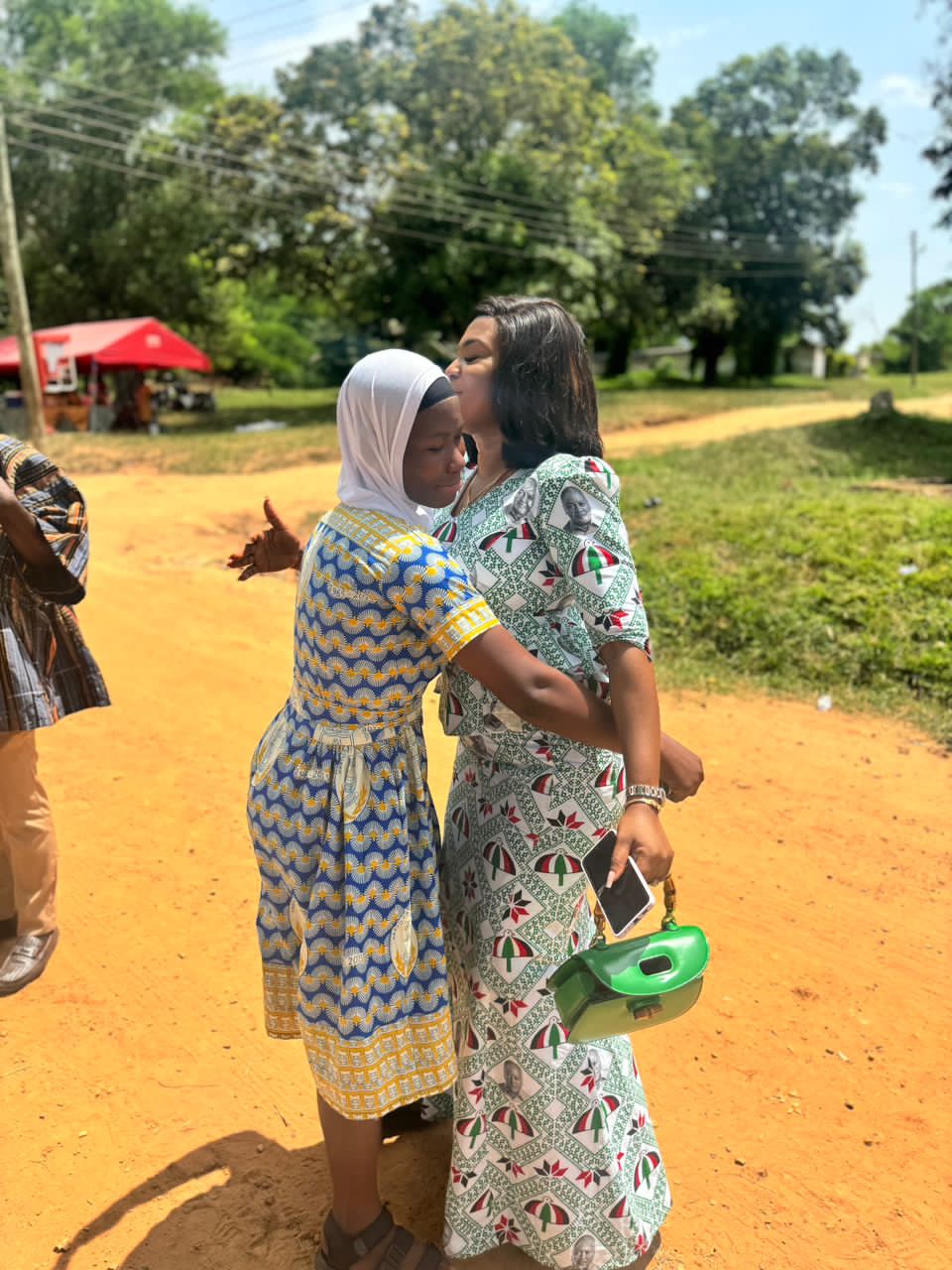
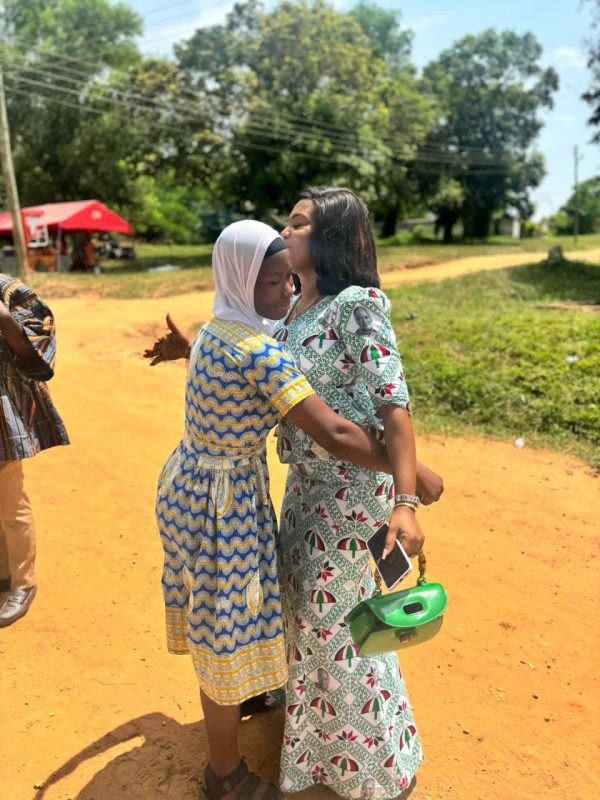
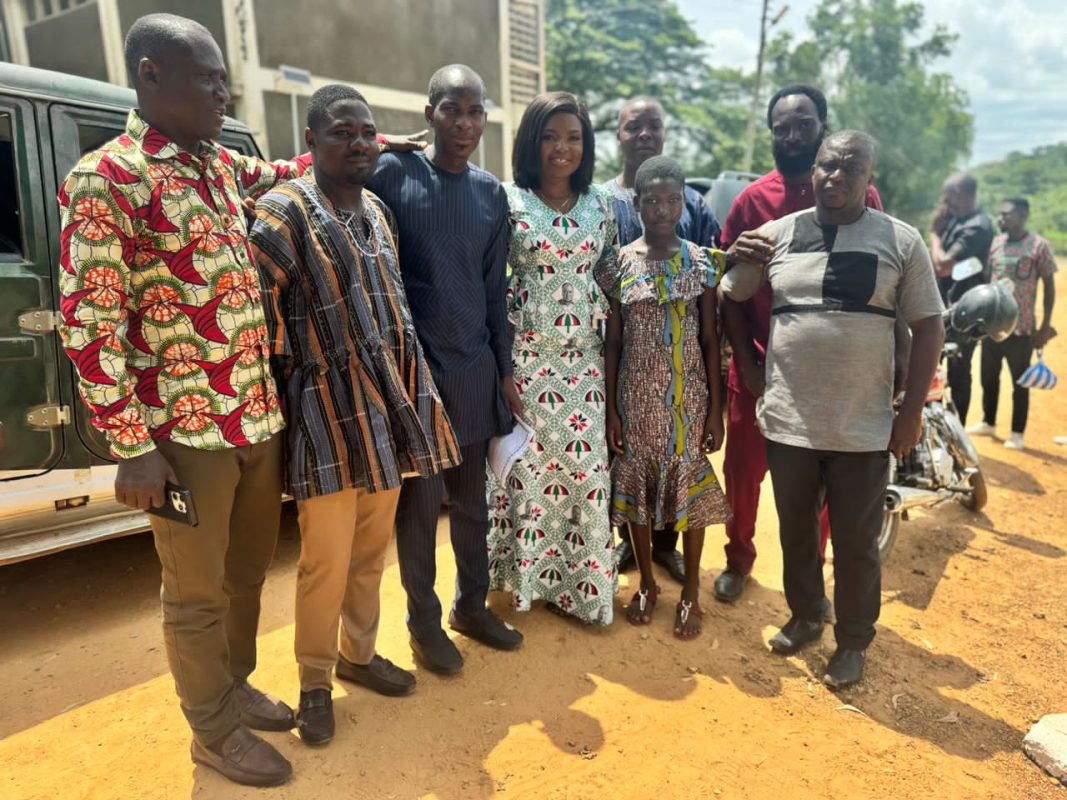
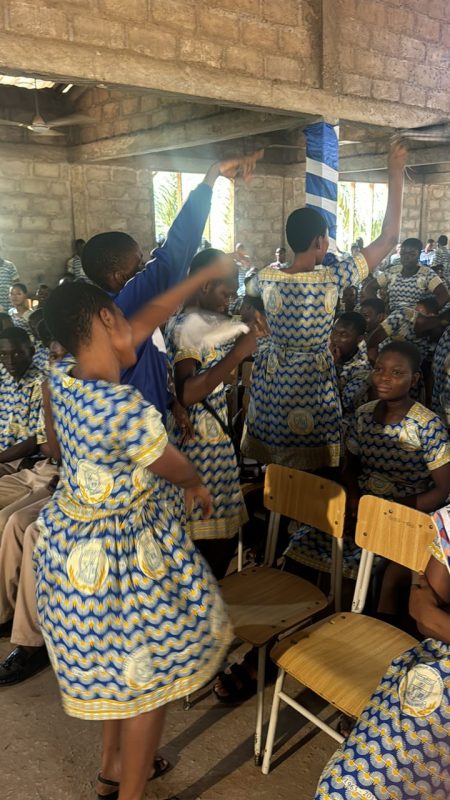
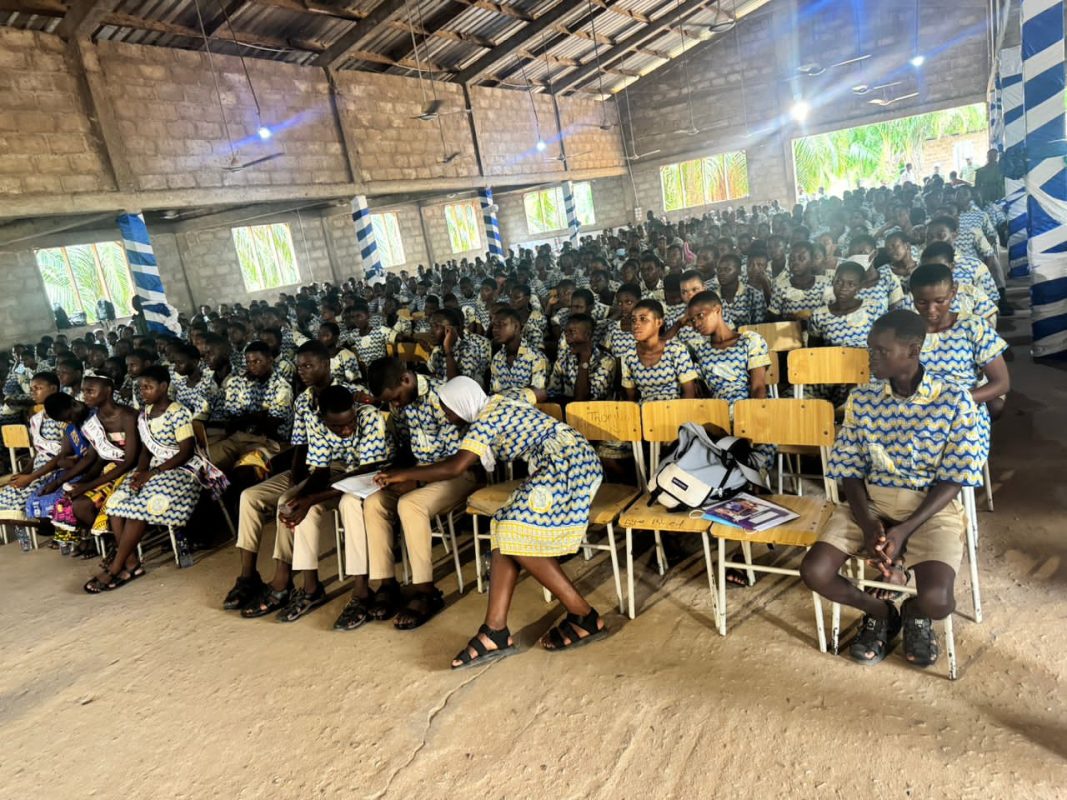
    At the climax of the Student Representative Council (SRC) Week Celebrations at Vakpo Senior High School’s Assembly Hall, Hon. Joycelyn Tetteh, the diligent and empowerment-oriented Member of Parliament for North Dayi Constituency, made a significant cash donation. A sum of Fifty-Nine Thousand Ghana Cedis (GHC 59,000.00) was contributed to the school’s management to establish a Learning Resource Center.

    This Learning Resource Center is set to be equipped with 10 HP Elite Computers, air conditioners, and other necessary materials. Its establishment aims to provide students with access to essential resources to aid in their training and preparation for the West African Senior School Certificate Examination (WASSCE).

    In her address, Hon. Joycelyn cautioned the students against lifestyles that hinder learning and emphasized the importance of serious learning for academic success. She called on both students and staff to devote themselves to learning and teaching, respectively.

    The student leadership and the headmaster expressed their gratitude to Hon. Joycelyn Tetteh for her support, investment, and unwavering commitment to improving education in the area. They promised to utilize the funds judiciously to ensure the realization of the Learning Resource Center’s vision.

    Hon. Joycelyn underscored the educational policies of the JM NDC, expressing her confidence that these policies would significantly enhance education in the school. She also criticized the current government, accusing the Nana Addo Bawumia administration of neglecting the education sector and burdening parents with hidden costs despite claiming to provide “Free Education.”

    The enthusiastic applause from the students demonstrated the trust and confidence they have in Hon. Joycelyn Tetteh and H.E John Dramani Mahama. Their resounding chorus, “Hon. Joycelyn, Our Votes Belong To You and Mahama,” echoed through the hall.

  • Ghana Marks World Mental Health Month with a Call to Prioritize Maternal Mental Health

    Ghana Marks World Mental Health Month with a Call to Prioritize Maternal Mental Health

    Accra, Ghana – As the world observes Mental Health Awareness Month, Ghana joins the global community in recognizing the importance of mental health, particularly maternal mental health, during the perinatal period. Designated as Purple Month in Ghana, this observance aims to provide hope, support, and encouragement to those struggling with mental health disorders.

    Maternal Mental Health (MMH) is defined by the World Health Organization (WHO) as a state of well-being in which a mother, during the perinatal period (pregnancy and up to one year after birth), realizes her abilities, copes with normal life stresses, works productively, and contributes to her community. However, despite its significance, MMH remains an overlooked aspect of maternal care.

    Statistics from the WHO reveal that approximately 20% (1 in 5) of pregnant women worldwide experience maternal mental health issues, with the prevalence increasing by 13% among women who have just given birth. Shockingly, only 10% of those affected seek help in developing countries like Ghana.

    Common Maternal Mental Health conditions include:

    • Baby/Postpartum Blues: Mood swings, tearfulness, and anxiety shortly after childbirth, which usually resolve within a few weeks.
    • Depression: Persistent feelings of sadness, hopelessness, and loss of interest, requiring professional support and treatment.
    • Anxiety: Excessive worrying about the baby or the mother.
    • Postpartum Psychosis: A rare but severe condition characterized by hallucinations, delusions, and disorganized behavior, requiring immediate medical and mental health treatment.

    The causes of MMH issues range from biological to socioeconomic factors. Biological factors include changes in hormone levels during and after pregnancy, while psychological factors encompass stress associated with pregnancy, childcare, work, and personal or family history of mental health issues. Additionally, socioeconomic factors such as exposure to violence and abuse, financial issues, relationship problems, and lack of access to healthcare contribute significantly to MMH issues.

    Pregnant women with maternal mental health issues may exhibit the following signs and symptoms:

    • Persistent sadness or low mood
    • Anxiety
    • Changes in appetite
    • Social withdrawal or isolation
    • Neglect of personal hygiene for both the mother and the baby
    • Loss of interest in the baby or previously enjoyed activities
    • Irritability or anger with unusual aggression
    • Feelings of worthlessness or guilt
    • Substance abuse
    • Fatigue or loss of energy
    • Thoughts of harming oneself or the baby

    It is imperative that maternal mental health be prioritized by the government, families, husbands, and all healthcare professionals. Prompt identification and treatment of MMH issues are crucial in ensuring the well-being of mothers and their babies.

    The government must allocate resources to the Mental Health Authority (MHA) to prevent and treat MMH issues effectively. By doing so, Ghana can ensure that mothers receive the support and care they need during and after pregnancy, contributing to the overall health and well-being of families and communities.

    For more information, please contact Bismark Kwabla Kpobi at bismarkkwablakpobi@gmail.com.

  • Ghana Marks World Mental Health Month with a Call to Prioritize Maternal Mental Health

    Ghana Marks World Mental Health Month with a Call to Prioritize Maternal Mental Health

    As the world observes Mental Health Awareness Month, Ghana joins the global community in recognizing the importance of mental health, particularly maternal mental health, during the perinatal period. Designated as Purple Month in Ghana, this observance aims to provide hope, support, and encouragement to those struggling with mental health disorders.

    Maternal Mental Health (MMH) is defined by the World Health Organization (WHO) as a state of well-being in which a mother, during the perinatal period (pregnancy and up to one year after birth), realizes her abilities, copes with normal life stresses, works productively, and contributes to her community. However, despite its significance, MMH remains an overlooked aspect of maternal care.

    Statistics from the WHO reveal that approximately 20% (1 in 5) of pregnant women worldwide experience maternal mental health issues, with the prevalence increasing by 13% among women who have just given birth. Shockingly, only 10% of those affected seek help in developing countries like Ghana.

    Common Maternal Mental Health conditions include:

    • Baby/Postpartum Blues: Mood swings, tearfulness, and anxiety shortly after childbirth, which usually resolve within a few weeks.
    • Depression: Persistent feelings of sadness, hopelessness, and loss of interest, requiring professional support and treatment.
    • Anxiety: Excessive worrying about the baby or the mother.
    • Postpartum Psychosis: A rare but severe condition characterized by hallucinations, delusions, and disorganized behavior, requiring immediate medical and mental health treatment.

    The causes of MMH issues range from biological to socioeconomic factors. Biological factors include changes in hormone levels during and after pregnancy, while psychological factors encompass stress associated with pregnancy, childcare, work, and personal or family history of mental health issues. Additionally, socioeconomic factors such as exposure to violence and abuse, financial issues, relationship problems, and lack of access to healthcare contribute significantly to MMH issues.

    Pregnant women with maternal mental health issues may exhibit the following signs and symptoms:

    • Persistent sadness or low mood
    • Anxiety
    • Changes in appetite
    • Social withdrawal or isolation
    • Neglect of personal hygiene for both the mother and the baby
    • Loss of interest in the baby or previously enjoyed activities
    • Irritability or anger with unusual aggression
    • Feelings of worthlessness or guilt
    • Substance abuse
    • Fatigue or loss of energy
    • Thoughts of harming oneself or the baby

    It is imperative that maternal mental health be prioritized by the government, families, husbands, and all healthcare professionals. Prompt identification and treatment of MMH issues are crucial in ensuring the well-being of mothers and their babies.

    The government must allocate resources to the Mental Health Authority (MHA) to prevent and treat MMH issues effectively. By doing so, Ghana can ensure that mothers receive the support and care they need during and after pregnancy, contributing to the overall health and well-being of families and communities.

    For more information, please contact Bismark Kwabla Kpobi at bismarkkwablakpobi@gmail.com.

  • Ghanaian Citizen Criticizes Western Influence on Moral Values and Family Systems

    Ghanaian Citizen Criticizes Western Influence on Moral Values and Family Systems

    Bismark Kwabla Kpobi calls for national sovereignty and independence from European and US pressures

    In a passionate address on Ghana’s 67th Independence Day, citizen Bismark Kwabla Kpobi expressed deep concern over what he perceives as undue influence from Western powers on Ghana’s moral values and family systems. Kpobi condemned what he termed “manipulative threats” from so-called superpowers, emphasizing that Ghana should not be swayed by disguised aid that comes with conditionalities aimed at imposing Western values.

    Highlighting recent events surrounding discussions on LGBTQ++ rights and foreign aid, Kpobi raised questions about the sovereignty and dignity of the nation. He criticized the Finance Minister’s statement linking loan access to Ghana’s stance on LGBTQ++ rights, citing it as an example of undue pressure from international financial institutions.

    Kpobi questioned the fairness of such conditions, particularly when juxtaposed with the obligations of organizations like the International Monetary Fund (IMF) to provide assistance to member countries facing economic distress. He argued that Ghana’s sovereignty should not be compromised in exchange for financial aid, especially when it comes with demands that contradict the country’s cultural and moral values.

    The concerned citizen urged Ghanaian youth to resist such impositions and called upon religious and traditional leaders to support the Anti-LGBTQ++ Bill. He emphasized the need for Ghana to mobilize its resources locally and reduce corruption to achieve true independence and development without reliance on foreign loans.

    Kpobi’s remarks underscore a growing sentiment among some Ghanaians regarding the influence of Western powers on the nation’s cultural and moral landscape. As the debate on LGBTQ++ rights continues, his call for national sovereignty and resistance to foreign pressures resonates with those who seek to preserve Ghana’s cultural identity and values.

    For Kpobi, the time is now for Ghana to assert its independence both physically and mentally, rejecting external influences that threaten its moral and family systems. His impassioned plea reflects a broader conversation within Ghanaian society about the balance between global partnerships and national autonomy in shaping the country’s future.

    In conclusion, Kpobi’s message serves as a rallying cry for Ghanaians to stand firm in defense of their cultural heritage and national sovereignty, advocating for policies and actions that prioritize the interests and values of the Ghanaian people above all else.

    For further inquiries, contact: Bismark Kwabla Kpobi Concerned Citizen

    Email: bismarkkwablakpobi@gmail.com