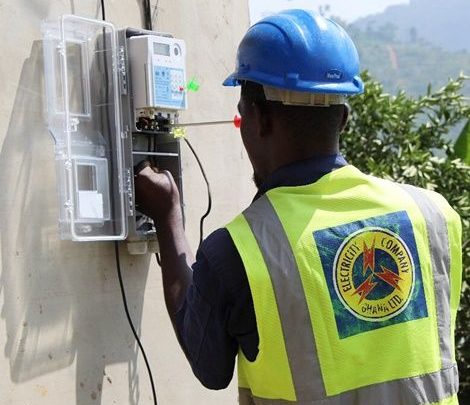
The Weija Circuit Court has remanded Bismark Owusu, a 21-year-old unemployed man, into custody for two weeks for allegedly stealing and causing damage to electricity meters belonging to the Electricity Company of Ghana (ECG), valued at Gh¢10,000.00.
Presided over by Mr. Joshua Caleb Abaidoo, the court charged Owusu with two counts of unlawful damage and stealing. The accused has pleaded not guilty and is scheduled to reappear in court on October 10, 2024.
During the proceedings, the prosecution, led by Inspector Joseph Barabu, presented evidence that on September 20, 2024, a complainant witnessed a mob attacking Owusu at the “Choice” area near the Police Barrier in Weija, Accra. The complainant intervened to prevent the accused from being lynched and subsequently took him to the New Weija Police Station.
At the police station, Owusu was rearrested and interrogated. The prosecution revealed that the accused was known as a “shadow boy,” someone who typically assists vehicles loading from Mallam Junction to Kasoa. Owusu claimed he was instructed by an unidentified man to retrieve three electricity meters wrapped in a polythene bag from behind a kiosk.
According to the prosecution, after collecting the meters, Owusu and his accomplice attempted to find a motorbike to return to Mallam Junction when they were confronted by a group of people who suspected them of theft. While his accomplice managed to escape, Owusu was apprehended and beaten by the mob.
The prosecution further noted that Owusu was unable to assist the police in locating his accomplice. The court was informed that there had been multiple reports of thieves stealing electricity meters from poles at night in the area, highlighting a growing concern over electrical theft.
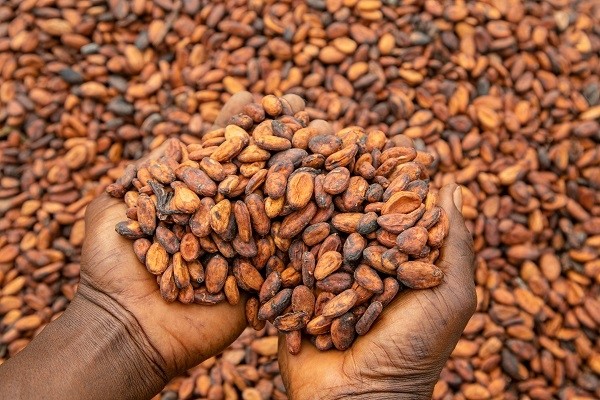
The Cocoa Carriers Association has suspended its indefinite sit-down strike, which began on Monday, October 7, following a productive engagement with the management of the Cocoa Marketing Company (CMC) and a representative from the Ghana Cocoa Board (COCOBOD). The strike was called off after assurances from management to address concerns over workers’ conditions of service within a week.
Raymond Atanga Abobiga, National Chairman of the Cocoa Carriers Association, confirmed in an interview with Citi Business News that workers at the CMC depots in Tema, Takoradi, and Kumasi have resumed their duties. According to Mr. Abobiga, the decision to return to work was based on management’s commitment to reconsider and resolve issues related to the workers’ demands for better service conditions.
“We negotiated with our directors and COCOBOD and concluded that we have to continue working while they reconsider our increment. So we decided to work today [Tuesday, October 8],” Mr. Abobiga explained, expressing optimism that the workers’ grievances will be resolved within the agreed timeline.
However, Mr. Abobiga mentioned a brief disruption in Kumasi after it was communicated that he was not supposed to work. In solidarity, workers in Kumasi threatened to halt operations if their chairman was not reinstated. The situation was promptly addressed by senior management, who instructed that Mr. Abobiga resume work, ensuring operations across all depots continued.
“Right now, Tema is working, Takoradi is working, and Kumasi, we are also working. That is the current situation of the strike now,” Mr. Abobiga confirmed.
The Cocoa Carriers Association went on strike to demand improved conditions of service, including salary increments and better working conditions. With operations now back to normal, workers are hopeful that the ongoing negotiations will result in a favorable resolution.
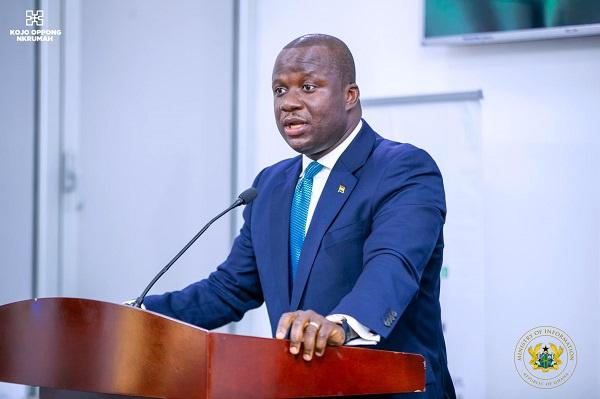
The Minister for Lands and Natural Resources, Samuel Abu Jinapor, has revealed that the government will soon unveil major interventions to intensify its efforts in combating illegal mining, commonly referred to as galamsey.
Speaking during an interview on the Citi Breakfast Show with Bernard Avle on Tuesday, October 8, Mr. Jinapor shared that the government’s recent meeting with Organised Labour, ahead of their planned October 10 strike, was “very productive and fruitful.” He confirmed that key measures will include the repeal of LI 2462, a legislative instrument that currently allows mining in forest reserves.
“Consensus was reached that the government will take steps to repeal LI 2462 when Parliament resumes and also ensure the swift trial of offenders,” Mr. Jinapor said. He added that beyond this repeal, additional interventions will soon be rolled out, including the deployment of river guards and navy patrols to protect water bodies from illegal mining activities.
The announcement comes amidst growing concerns over galamsey’s devastating impact on Ghana’s rivers, forests, and communities. However, the minister clarified that illegal mining is not the primary cause of deforestation in the country, citing agriculture as the leading driver. Despite this, he reiterated the government’s commitment to tackling the galamsey menace, noting that mining near river bodies remains strictly prohibited. Currently, mining is banned within 100 meters of water bodies, and the government is considering extending the restriction to 200 meters.
Mr. Jinapor stressed that the government has been actively fighting illegal mining long before recent pressure from Organised Labour. He pointed to Operation Halt, an initiative aimed at cracking down on illegal mining, which he said has been ongoing regularly and will be intensified in the coming weeks.
The government’s renewed focus on illegal mining comes as Organised Labour plans to go ahead with a nationwide strike, citing dissatisfaction with the government’s handling of the galamsey crisis. The proposed interventions are expected to address some of the concerns raised by Labour and environmental groups about the destruction of natural resources.
The minister assured the public that the fight against illegal mining remains a top priority for the government and that further details on upcoming measures will be announced soon.
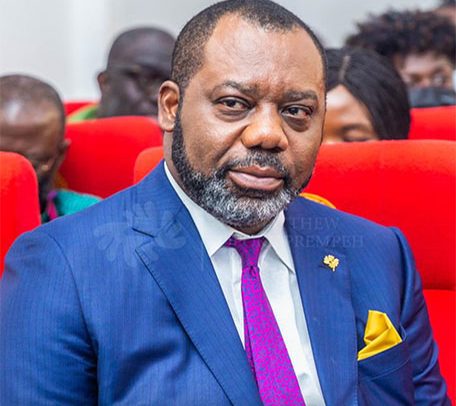
Dr. Mathew Opoku Prempeh, popularly known as NAPO, has reiterated that a future New Patriotic Party (NPP) government will not impose a ban on small-scale mining. Speaking at a campaign event in the Manso Adubia constituency in the Ashanti Region on Tuesday, Dr. Opoku Prempeh, who is the NPP’s Vice Presidential candidate, assured party supporters and community members of the party’s commitment to promoting responsible mining practices.
He emphasized the importance of differentiating between responsible, regulated mining and illegal activities, or “galamsey,” which have caused severe environmental degradation and social harm. NAPO stated that the NPP’s strategy would focus on empowering small-scale miners to engage in sustainable practices that protect the environment while also expanding their operations for economic growth.
“A government led by Dr. Bawumia will promote mining. We cannot stop mining, but we will do so responsibly. We will not mine to destroy our water bodies and forests,” Dr. Opoku Prempeh asserted.
He also referenced promises made by Dr. Mahamudu Bawumia, the NPP’s flagbearer, to support responsible mining initiatives that will benefit local communities and contribute to the overall economy. NAPO highlighted that equipment needed for responsible mining would be made available to Ghanaians under an NPP government.
His remarks come at a time of heightened tension, as Organised Labour prepares to embark on a nationwide strike starting Thursday, October 10, 2024. The strike, prompted by ongoing frustrations over the government’s handling of the illegal mining crisis, calls for stronger action against “galamsey” while supporting the formalisation of the small-scale mining sector.
Organised Labour has advocated for a balanced approach to protecting the environment while ensuring that legitimate miners can operate without fear of harassment or shutdowns. The crisis surrounding illegal mining, which has wreaked havoc on Ghana’s water bodies and ecosystems, remains a major political issue ahead of the 2024 elections.
Dr. Opoku Prempeh’s remarks signal the NPP’s commitment to promoting a mining policy that supports economic development and environmental sustainability.
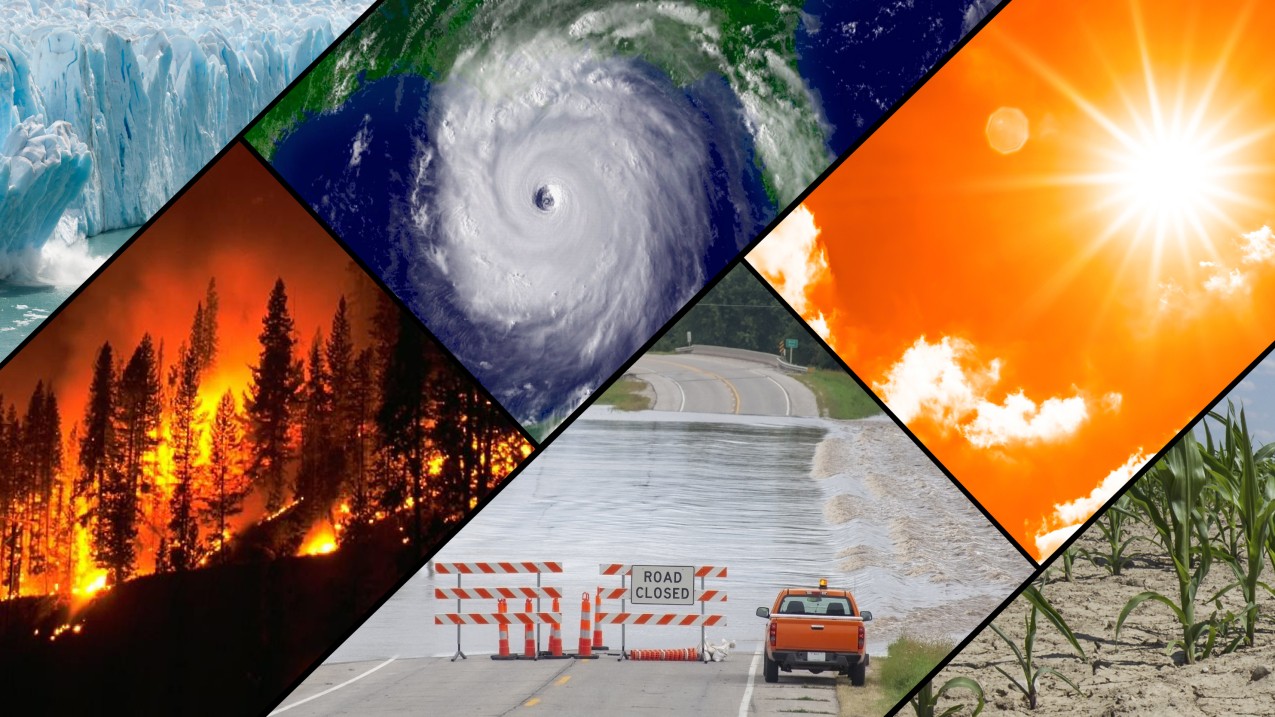
Northern Ghana is currently at the epicenter of the nation’s climate challenges, as recurring floods and unpredictable weather patterns devastate agriculture and threaten the livelihoods of millions. The region, known for its predominantly agrarian economy, is facing a severe environmental crisis, with experts warning that the situation could worsen if immediate action is not taken.
The recent spate of floods has been particularly damaging. In the past two months, the Upper East and Upper West Regions have experienced unprecedented rainfall, leading to widespread flooding. The heavy rains have overwhelmed rivers and water bodies, causing them to burst their banks and inundate nearby communities. According to the National Disaster Management Organization (NADMO), thousands of people have been displaced, with many more at risk as water levels continue to rise.
Entire villages have been submerged, with homes, schools, and healthcare facilities destroyed. The floods have also severely damaged infrastructure, washing away roads and bridges, and cutting off access to several remote areas. In the town of Navrongo, for instance, the main bridge connecting the town to other parts of the region collapsed under the pressure of the floodwaters, leaving residents stranded.
The agricultural sector, the lifeblood of Northern Ghana’s economy, has been hit hardest by the floods. Vast expanses of farmland have been destroyed, with crops such as maize, millet, and groundnuts washed away. For many farmers, this year’s harvest is a total loss, leading to fears of food shortages and increased hunger in the coming months. The Ministry of Food and Agriculture estimates that over 50,000 hectares of farmland have been affected, with losses running into millions of cedis.
This is not the first time the region has faced such a crisis. Over the past decade, Northern Ghana has seen a growing frequency of extreme weather events, from intense droughts to destructive floods. These climate-induced disasters have disrupted the traditional farming calendar, making it increasingly difficult for farmers to predict planting and harvesting times. The unpredictability of the weather has also led to a decline in agricultural productivity, with many farmers struggling to sustain their livelihoods.
The impact of climate change in Northern Ghana extends beyond agriculture. The region is also experiencing a rise in waterborne diseases, as stagnant floodwaters become breeding grounds for mosquitoes and other disease vectors. Health officials have reported an increase in cases of malaria, cholera, and typhoid fever, particularly among children and the elderly. The floods have also contaminated water sources, exacerbating the region’s already fragile water supply and leading to acute water shortages in some communities.
In response to the crisis, the government and various non-governmental organizations have launched emergency relief efforts. NADMO has been distributing food, water, and other essential supplies to affected communities, while the Ministry of Health has set up temporary clinics to treat those affected by the floods. International organizations, such as the Red Cross and UNICEF, have also provided support, sending teams to assist with relief efforts and deliver much-needed aid.
Despite these efforts, the challenges remain daunting. The region’s infrastructure is ill-equipped to handle such extreme weather events, with poor drainage systems and inadequate flood defenses exacerbating the impact of the floods. Experts have called for urgent investment in climate-resilient infrastructure, such as the construction of dams and levees, to protect vulnerable communities from future floods. There is also a pressing need for comprehensive land-use planning to prevent the encroachment of human settlements into flood-prone areas.
In the long term, addressing the root causes of climate change is essential to safeguarding the future of Northern Ghana. This includes reducing greenhouse gas emissions, promoting sustainable agricultural practices, and enhancing the resilience of local communities to climate-related shocks. The government has recognized the need for action and has outlined several initiatives aimed at building climate resilience, including the promotion of drought-resistant crop varieties and the implementation of early warning systems for extreme weather events.
However, these efforts require substantial financial and technical support, both from within the country and from the international community. As Ghana works to meet its commitments under the Paris Agreement, there is an opportunity to channel resources toward the most vulnerable regions, such as the North, to ensure that no one is left behind in the fight against climate change.
For the people of Northern Ghana, the stakes could not be higher. With their homes, farms, and livelihoods at risk, they are on the front lines of the climate crisis, facing challenges that will only grow more severe in the coming years. As the rainy season continues, the region braces for what could be the most difficult period yet, with the hope that both immediate relief and long-term solutions will come in time to prevent further devastation.
Ghana is grappling with increasingly severe climate challenges, as unpredictable weather patterns continue to affect the nation’s agriculture, economy, and daily life. From relentless floods in urban centers to extended periods of drought in rural areas, the nation’s environment is showing signs of significant stress, raising concerns among experts and residents alike.
In the past year alone, regions across Ghana have experienced a series of extreme weather events. The northern regions, typically known for their arid conditions, faced unexpected flooding earlier this year. Torrential rains submerged entire communities, destroyed farmlands, and displaced thousands of people. The Upper East and Upper West Regions were particularly hard hit, with key agricultural areas left under water, threatening food security and the livelihoods of countless farmers.
Conversely, the southern parts of Ghana, which are usually the beneficiaries of regular rainfall, have witnessed prolonged dry spells. Farmers in the Ashanti, Eastern, and Central Regions have reported delayed planting seasons and reduced crop yields, particularly in staple crops like maize and cassava. The lack of rain has also led to water shortages in urban areas, with cities like Accra and Kumasi imposing water rationing to cope with the demand.
The economic implications of these climate changes are profound. Agriculture, which is the backbone of Ghana’s economy, is facing a crisis as unpredictable weather patterns disrupt planting and harvesting cycles. Many farmers are struggling to adapt, with traditional farming methods proving insufficient against the new climate realities. This has led to a drop in agricultural productivity, higher food prices, and increased pressure on rural communities.
Urban areas are also feeling the effects of the changing climate. Accra, the capital city, has seen a rise in flash floods due to poor drainage systems, exacerbated by heavy rainfall. The floods have damaged infrastructure, halted businesses, and displaced families, creating an urgent need for comprehensive urban planning and investment in resilient infrastructure.
Ghana’s government, recognizing the urgency of the situation, has been working on several initiatives to mitigate the impact of climate change. The Ministry of Environment, Science, Technology, and Innovation has been spearheading efforts to promote climate-resilient agriculture, improve water management, and strengthen disaster preparedness across the country. However, these efforts face challenges due to limited funding, lack of technical expertise, and the need for more robust data on climate patterns.
International organizations have also stepped in to support Ghana’s climate adaptation efforts. The United Nations Development Programme (UNDP) and the World Bank have provided financial and technical assistance to help the country build resilience against climate-related disasters. These collaborations have led to the development of early warning systems, improved agricultural practices, and the promotion of renewable energy sources as part of Ghana’s strategy to combat climate change.
Despite these efforts, the road ahead remains challenging. Experts warn that if current trends continue, Ghana could face even more severe weather events in the coming years, with potentially devastating impacts on the environment, economy, and society. The need for a coordinated, multi-stakeholder approach is more critical than ever, as Ghana works to safeguard its future against the unpredictable forces of climate change.
As the nation prepares for the next planting season, the focus is on building resilience and adapting to the new climate realities. Farmers are being encouraged to adopt climate-smart practices, such as crop diversification and conservation agriculture, to reduce vulnerability to extreme weather. Urban planners are also being urged to incorporate climate considerations into their designs to prevent further damage from floods and other disasters.
Ghana’s climate story is one of both challenge and opportunity. While the country faces significant risks, there is also a chance to innovate and lead by example in the fight against climate change. With the right policies, investments, and community engagement, Ghana can navigate these turbulent times and emerge stronger in its commitment to environmental sustainability.
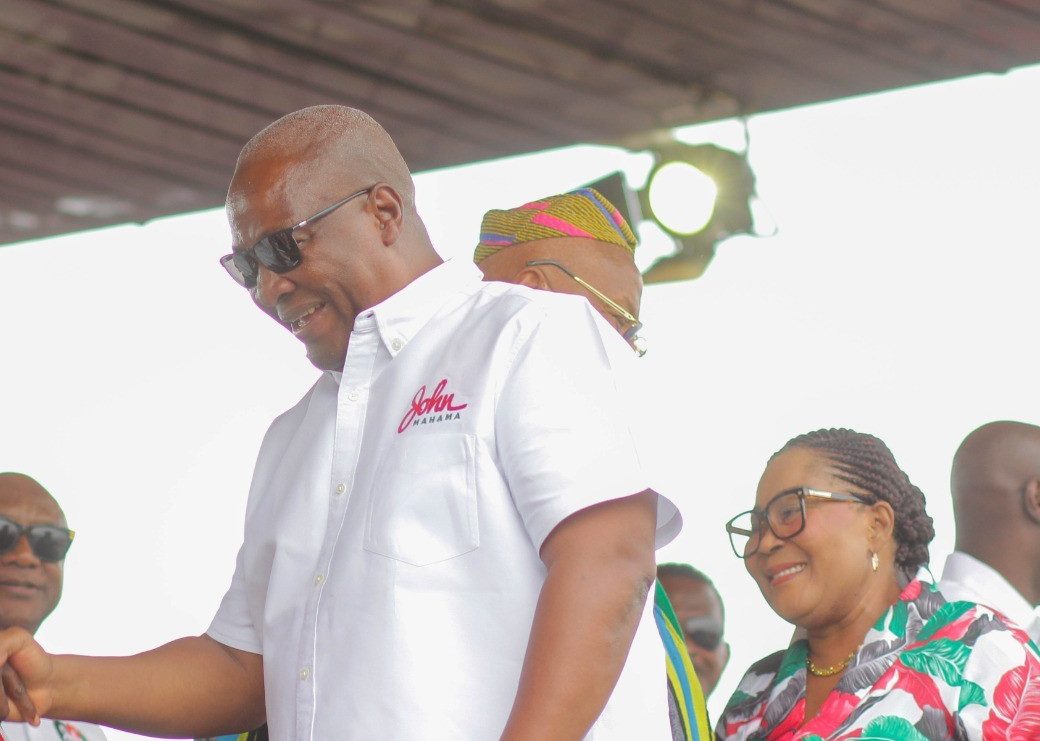
Fumbisi, August 12, 2024 – John Dramani Mahama, the flagbearer of the National Democratic Congress (NDC), has vowed to make job creation a top priority if elected in the upcoming December polls. Speaking during a stakeholders’ engagement in Fumbisi, Mahama emphasized that tackling the high rate of youth unemployment is essential for Ghana’s development.
While recognizing the importance of infrastructure development, Mahama underscored that his administration’s primary focus will be on creating employment opportunities. He introduced his proposed 24-hour economy policy, designed to encourage businesses to extend their operating hours, thereby generating more jobs.
The 24-hour economy policy aims to incentivize businesses to add additional shifts, which Mahama believes will lead to increased employment. He cited a potential example involving a pharmaceutical factory, where government support in purchasing locally produced drugs could prompt the factory to expand shifts and hire more workers.
“This policy will create significant job opportunities for our youth. We want to encourage businesses to operate beyond the usual eight-hour workday,” Mahama explained. “In other countries, similar 24-hour economy programs have successfully led to job creation through extended business hours.”
Mahama’s plan includes government purchasing locally produced pharmaceuticals to support the industry and stimulate job growth. “By buying drugs from Ghanaian factories, we can help these businesses add shifts and increase employment,” he stated.
Emphasizing the importance of job creation, Mahama declared, “Jobs, jobs, jobs must be the priority for everybody, and that is the priority for the next NDC government. While we will continue to invest in infrastructure, our main focus will be on initiatives that directly create employment for young people.”
The former President’s commitment to addressing youth unemployment through innovative economic policies highlights a key issue in his campaign as he seeks to secure support in the upcoming elections.
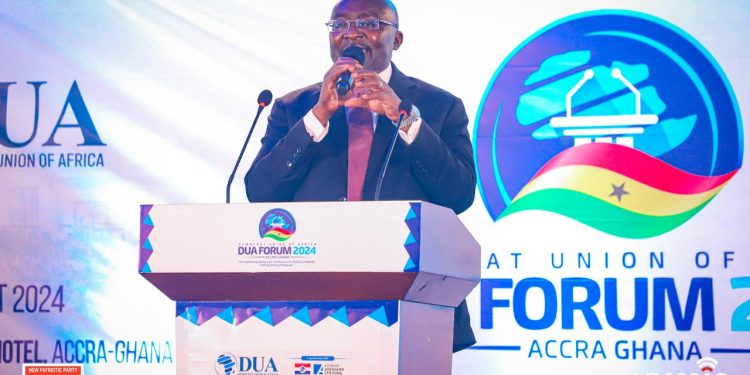
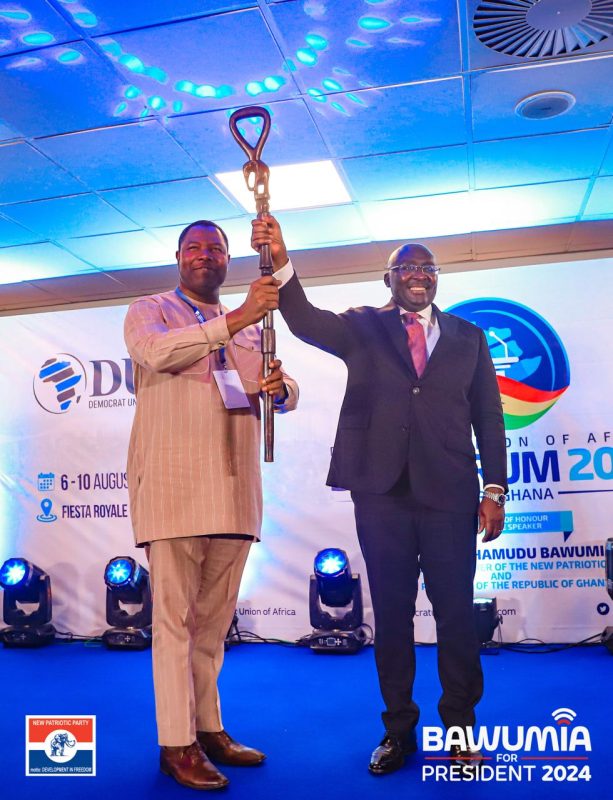
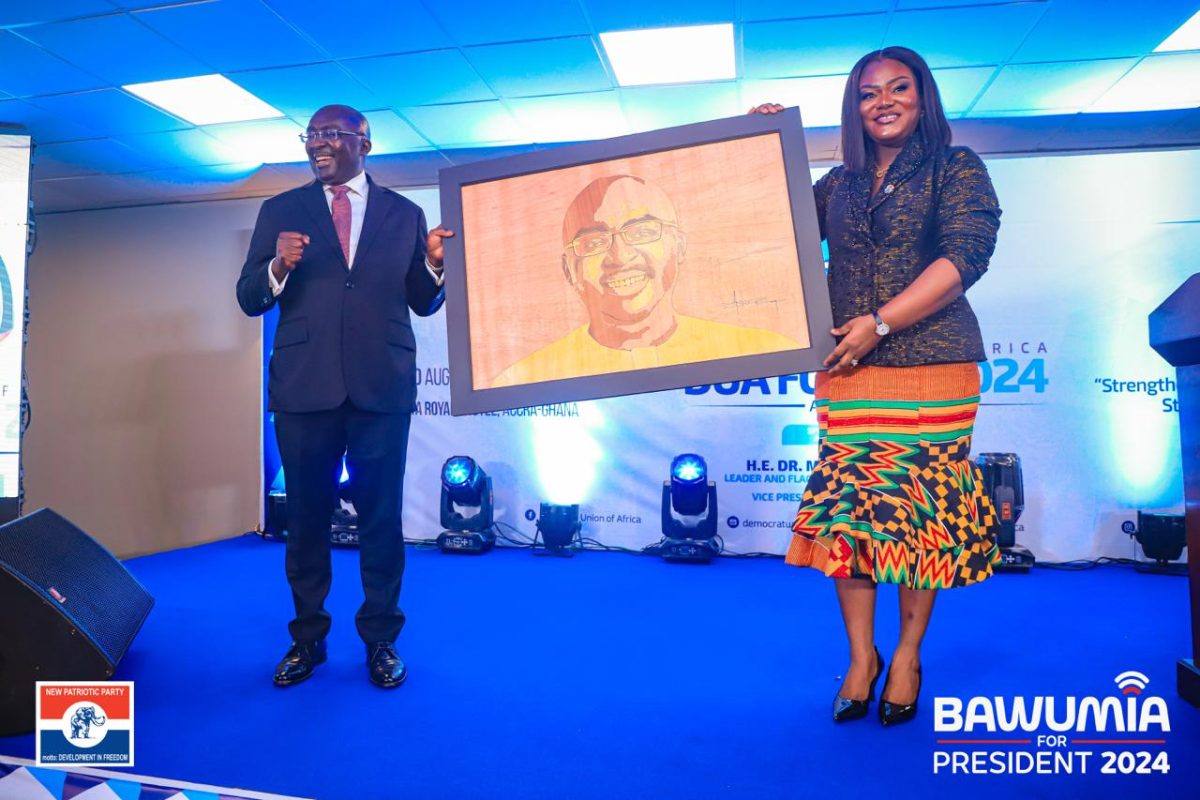
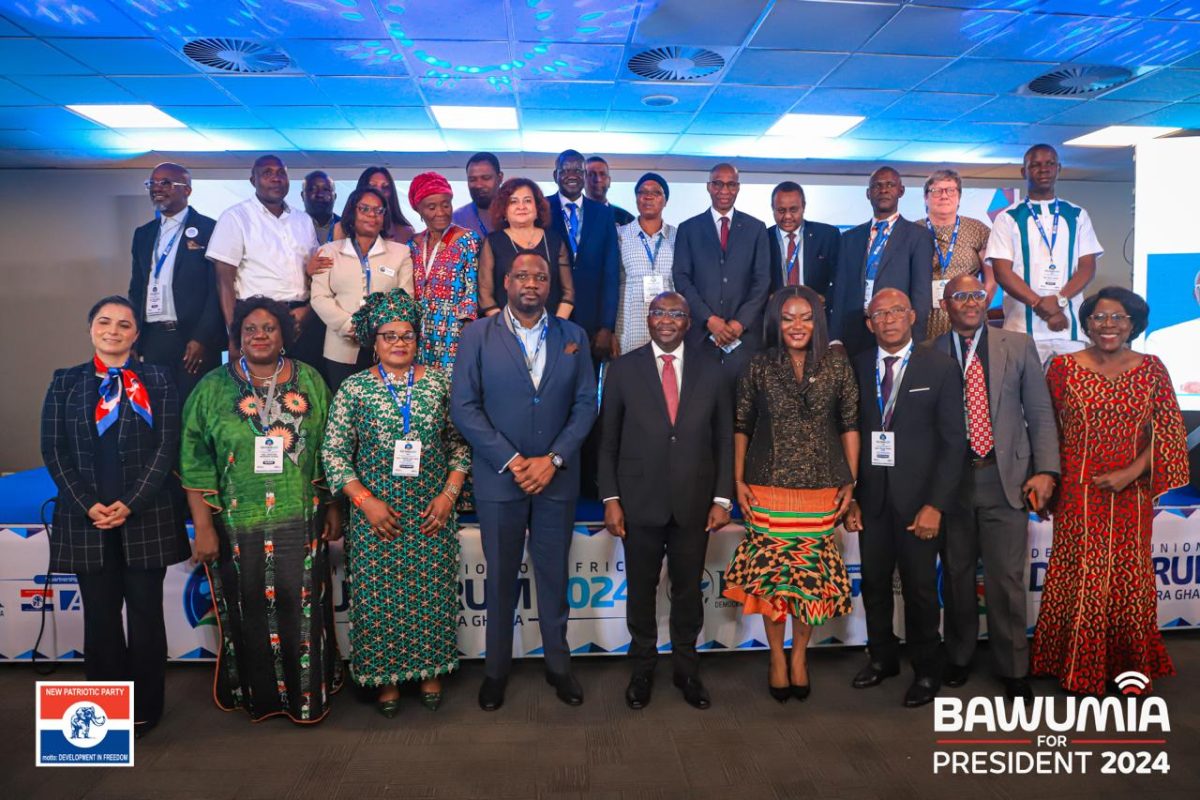
Vice President Dr. Mahamudu Bawumia has underscored the importance of free, fair, and transparent elections in maintaining peace and political stability across Africa. Speaking at the Democrat Union of Africa (DUA Forum 2024), Bawumia emphasized that these principles are essential for sustaining democratic values on the continent.
The high-profile event, which took place under the auspices of the Konrad Adenauer Stiftung and the New Patriotic Party (NPP), gathered political leaders and stakeholders from across Africa and beyond. Themed “Strengthening Democratic Institutions for Political Stability: Crafting Africa’s Response,” the forum highlighted the critical role robust democratic frameworks play in fostering stability and progress.
In his keynote address, Dr. Bawumia highlighted Ghana’s democratic journey as a model for Africa, praising the nation’s electoral transparency and the role of the Electoral Commission in ensuring credible elections. “Ghana’s peaceful transition of power over the past three decades stands as a testament to our commitment to upholding the will of the people,” he said.
Reflecting on the forum’s theme, Dr. Bawumia noted that it was both timely and essential for promoting discussions on strengthening democratic institutions. He urged participants to draw inspiration from Ghana’s experiences and collaborate to enhance democracies across the continent. “Our collective efforts can transform Africa into a beacon of democracy, stability, and prosperity,” he stated, while also referencing the African Union’s Agenda 2063 and the Sustainable Development Goals as guiding frameworks for this vision.
Dr. Bawumia also praised President Nana Addo-Dankwa Akufo-Addo’s administration, citing significant achievements in education, healthcare, and digitalization. He lauded the introduction of free senior high school education and improvements in the National Health Insurance Scheme as key accomplishments under Akufo-Addo’s leadership.
The Vice President concluded his address by extending his best wishes to all presidential candidates in the upcoming general elections across Africa. He urged all political leaders and stakeholders to renew their commitment to democratic governance, individual freedoms, and economic growth, emphasizing that Africa’s future depends on today’s actions.
Hon. Johnson Asiedu Nketiah, popularly known as Chairman General Mosquito, has issued a stern warning to the public about an alarming rise in scams involving individuals impersonating his family members. These fraudsters have been exploiting the trust of innocent people by promising them opportunities to join the security services, secure overseas travel, or obtain high-profile appointments in exchange for large sums of money.
In a recent case brought to the attention of Chairman General Mosquito and his family, a group of ten victims were reportedly scammed by an individual who impersonated a younger brother of Mrs. Vida Asiedu Nketiah. The fraudster promised to help the victims relocate to Canada, convincing each to pay a hefty sum of Twenty Thousand Ghana Cedis (GHS 20,000). Unfortunately, the victims only realized they had been deceived after the scammer disappeared with their money.
Scammers have also been using photos taken with Hon. Johnson Asiedu Nketiah at public events or campaign trips to lend credibility to their deceitful schemes. These images are often used to persuade victims that the fraudsters have close ties to Chairman General Mosquito, thereby convincing them to part with their hard-earned money.
Chairman General Mosquito has made it clear that he will never request money from anyone to facilitate these processes. He and his family are urging the general public, comrades, and others to remain vigilant and skeptical of such offers. They advise anyone approached with such promises to verify the authenticity of the individuals by conducting thorough investigations with known family members or trusted team members.
The rise in these fraudulent activities is a cause for concern, especially as political campaigns gain momentum. The public is strongly encouraged to report any suspicious behavior or attempts to defraud them to the authorities promptly.
In July, world food prices experienced a minor decline, driven primarily by lower cereal prices, according to a report by the United Nations Food and Agriculture Organisation (FAO). This decrease was partly offset by increases in the prices of meat, vegetable oils, and sugar, reflecting the complex dynamics of the global food market.
The FAO Food Price Index, which tracks the prices of the most globally traded food commodities, averaged 120.8 points in July. This marked a slight decrease from June’s revised figure of 121.0 points, which had originally been reported as 120.6 points. The Index had been on an upward trend for four consecutive months, recovering from a three-year low in February. This surge was in response to record-high prices seen in March 2022, influenced significantly by geopolitical tensions, notably Russia’s invasion of Ukraine.
The FAO Cereals Price Index saw a notable decline of 3.8% in July, reaching its lowest level in nearly four years. This marked the second consecutive month of falling global export prices for all major cereals. The reduction in wheat prices was attributed to the seasonal availability from ongoing winter wheat harvests in the northern hemisphere, alongside favorable conditions for spring wheat crops in Canada and the United States. Maize (corn) prices also fell as harvests in Argentina and Brazil progressed ahead of last year’s pace, and robust crop conditions in the United States further contributed to the decline.
Despite the decline in cereal prices, the overall FAO Food Price Index was partly offset by rising prices in other food categories. Meat prices increased due to heightened demand and tighter supply conditions. The cost of vegetable oils rose as a result of reduced production and higher demand, while sugar prices saw an uptick influenced by production forecasts and market dynamics. These increases underscore the complexity of global food pricing, where declines in one category can be counterbalanced by rises in others.
When compared to its value a year ago, the July 2024 FAO Food Price Index was 3.1% lower. Additionally, the index was 24.7% below its peak in 2022, highlighting the volatility and fluctuating nature of global food prices over the past two years. The record peak in March 2022 was a direct consequence of Russia’s invasion of Ukraine, a major exporter of cereals and other food commodities. The conflict disrupted supply chains, causing a spike in prices. However, in the months following the invasion, food prices began to stabilize and then decline as markets adjusted and alternative supply sources were identified.
The future trajectory of global food prices remains uncertain, influenced by several factors such as climate change, geopolitical stability, and economic policies. Unpredictable weather patterns could impact crop yields and food production, while ongoing conflicts and political instability in key producing regions could disrupt supply chains. Trade policies, tariffs, and international agreements will continue to play significant roles in shaping food prices. The FAO continues to monitor these factors closely, providing regular updates on global food price trends.
The slight easing of world food prices in July 2024 underscores the complexity and interdependence of global food markets. While declines in cereal prices provided some relief, increases in the prices of meat, vegetable oils, and sugar highlighted ongoing challenges. As the world navigates through geopolitical tensions and economic uncertainties, the FAO’s Food Price Index remains a vital tool for understanding and managing the dynamics of food commodity prices. The overall decrease in the FAO Food Price Index from its 2022 high point is a positive development, but it also serves as a reminder of the volatility and sensitivity of global food markets to external shocks. Policymakers, producers, and consumers must remain vigilant and adaptable to ensure food security and price stability in the future.
In a candid address at the launch of the New Patriotic Party’s (NPP) Ablekuma South Constituency election campaign, Kennedy Agyapong, Member of Parliament for Assin Central, called on the governing party to acknowledge the current economic hardships facing the country as it campaigns ahead of the 2024 General Elections. His remarks emphasized the need for humility and unity within the party to secure victory in the upcoming December 7 polls.
“Let’s go out there with humility, apologise to Ghanaians, and admit your mistakes before you can convince anybody to vote for you. If we ignore the hardships Ghanaians are going through, they will never accept what we are saying,” Agyapong stated. He urged party members to be upfront about the difficulties many Ghanaians are experiencing, suggesting that an honest admission of the country’s economic challenges would be crucial in regaining the trust and support of voters.
Agyapong’s remarks highlight a strategic shift for the NPP as it prepares for the elections. He stressed the importance of showing empathy and understanding towards the electorate, acknowledging that many Ghanaians are facing significant economic challenges. This approach, he believes, is essential for convincing the public to give the NPP another chance to lead the country.
“You first have to admit that there are hardships, let’s give NPP another chance, and I know we have all learnt our lessons,” he continued. Agyapong also underscored the need for collective effort within the party to support their presidential candidate, Dr. Mahamudu Bawumia, in his bid to win the presidency.
“We are all not going to sit back, we will all support Dr. Bawumia [NPP flagbearer] to win,” he asserted, calling for a unified front to ensure a successful campaign.
Kennedy Agyapong’s address at the Ablekuma South Constituency underscores the challenges the NPP faces as it seeks to maintain its hold on power amidst an economically turbulent period. His call for humility and acknowledgment of the electorate’s struggles is a departure from traditional campaign rhetoric, suggesting a more grassroots approach aimed at reconnecting with voters on a personal level.
As the 2024 General Elections approach, the NPP’s strategy, as outlined by Agyapong, may set the tone for their broader campaign efforts. By addressing economic hardships head-on and showing a willingness to learn from past mistakes, the party hopes to resonate with an electorate looking for transparency and genuine concern from their leaders.
Analysts will be watching closely to see if this approach can effectively bridge the gap between the party and the public, potentially setting a new precedent for political campaigns in Ghana. The coming months will be critical in determining whether this strategy can translate into tangible electoral success for the NPP.
The Ghanaian economy is rebounding stronger than anticipated, with the government successfully reversing negative trends and living within its means, Finance Minister Dr. Mohammed Amin Adam announced during the 2024 Mid-Year Fiscal Policy Review in parliament. Dr. Adam highlighted improved macroeconomic indicators and successful debt restructuring efforts as key contributors to this positive trajectory.
“It is evident that we are on the right trajectory. The economy is rebounding stronger than anticipated. The choices we have made and policies being implemented are yielding results. We have reversed the negative trends, all the indicators are looking better,” Dr. Adam stated.
Dr. Adam underscored several significant achievements, including the conclusion of the Extended Credit Facility’s second review with the International Monetary Fund (IMF), which resulted in a disbursement of US$360 million. This brings the total disbursement to about US$1.6 billion. The minister also highlighted progress in external debt restructuring efforts, with the Official Creditor Committee (OCC) covering US$5.1 billion and resulting in approximately US$2.8 billion in debt relief.
“We have concluded negotiations with our Eurobond holders covering US$13.1 billion, which will lead to a US$4.7 billion cancellation of our debt and provide US$4.4 billion debt service relief between 2023 and 2026,” he noted.
The economy’s resilience is evident in the Gross Domestic Product (GDP) growth figures. The economy expanded by 2.9 percent last year, while non-oil GDP grew by 3.3 percent. In the first quarter of 2024, growth was 4.7 percent, the highest growth recorded since the second quarter of 2022.
Inflation, a key concern in recent years, has shown significant improvement, with headline inflation decelerating significantly to 23.2 percent at the end of December 2023, representing a 31.4 percentage point reduction from the peak of 54.6 percent recorded in December 2022. In June 2024, headline inflation further declined to 22.8 percent.
The external sector also showed positive developments, with the current account improving to a surplus of US$1.41 billion, driven by strong growth in remittances as reforms in the fintech ecosystem began to yield positive results.
On account of these improvements, the government has revised its macroeconomic framework for 2024. The overall real GDP growth rate is revised upwards from 2.8 percent to 3.1 percent; non-oil real GDP growth rate is revised upward from 2.1 percent to 2.8 percent, with the headline inflation target for the end of the year remaining unchanged at 15 percent.
On the fiscal front, the minister emphasized the government’s commitment to living within its means. “We have reined in expenditures to ensure we are within 2024’s Budget Appropriation and exceeded the mid-year revenue target by 0.2 percent by end-June, 2024. In effect, Mr. Speaker, we are living within our means,” Dr. Adam stated.
The government has also revised its revenue projections upward, with total revenue and grants being revised upward by 0.5 percent to GH¢177.22 billion (17.4 percent of GDP) in 2024 from the 2024 Budget target of GH¢176.41 billion (16.8 percent of GDP), Dr. Adam announced.
To achieve these targets, the government plans to implement several measures, including broadening the tax base, a simplified digital solution for operationalizing the modified taxation scheme, and an electronic bookkeeping system. Dr. Adam also mentioned plans to onboard 2,000 more taxpayers onto the electronic invoicing system (e-VAT) by the end of the year.
“Government will re-institute the integrated property tax system by synthesizing data from MMDAs, Lands Valuation, ECG, and other relevant government agencies to create a comprehensive digital property record database,” he stated.
Looking ahead, Dr. Adam announced plans to reintroduce road tolls, stating that the government will develop a framework for the re-introduction of road and bridge tolls to “facilitate the processes for implementing a modernized and efficient road and bridge tolling system commencing in 2025.”
While acknowledging the progress made, Dr. Adam cautioned against complacency. “Despite these significant risks, this Mid-Year Fiscal Policy Review reasserts the government’s commitment to pursuing growth in a context of fiscal consolidation and debt sustainability,” he concluded.
Analysts remain cautious about the government’s ability to maintain fiscal discipline while stimulating growth in an election year, stating that the coming months will reveal whether the positive trends highlighted in this mid-year review can be sustained and translated into tangible improvements in the lives of ordinary Ghanaians.
Accra, Ghana – President Nana Addo Dankwa Akufo-Addo has declared his unwavering commitment to overseeing peaceful and fair elections in December, marking his final significant challenge as President of Ghana. With his tenure concluding in five months, President Akufo-Addo emphasized this pledge during a senior citizens’ luncheon held at the Jubilee House.
Addressing the gathering, President Akufo-Addo stated, “The last major challenge for me is to preside over peaceful and fair elections in December, and that is a commitment.” He underscored his belief that the people of Ghana deserve nothing less than an optimal environment in which to freely choose their next president and parliamentarians.
The President’s remarks come at a crucial time as the nation gears up for the upcoming elections. His commitment to ensuring a smooth electoral process reflects his dedication to upholding Ghana’s long-standing reputation as a beacon of democracy not only in Africa but around the world. President Akufo-Addo’s administration has consistently highlighted the importance of democratic principles, and his latest declaration reinforces this stance.
During his speech, President Akufo-Addo also assured Ghanaians of his intention to step down without any resistance once his tenure ends. “I will step down as president without any resistance when my time in office is up,” he affirmed, drawing parallels to the peaceful transition of power exhibited by his predecessor. This assurance is expected to bolster confidence in the democratic process among the electorate and the international community.
President Akufo-Addo’s commitment to a peaceful election is seen as a crucial step in maintaining the stability and democratic integrity of the nation. His call for support from all Ghanaians underscores the collective responsibility required to achieve this goal. By rallying the nation to participate in and support a fair electoral process, the President aims to foster unity and trust in the democratic system.
As Ghana approaches the December polls, the focus will be on how effectively the electoral process is managed and how the principles of fairness and transparency are upheld. President Akufo-Addo’s assurance of a smooth handover of power is expected to set a positive precedent for future administrations.
The upcoming elections will not only determine the next leadership of Ghana but will also serve as a testament to the country’s commitment to democratic values. President Akufo-Addo’s final challenge, as he puts it, is a reflection of his dedication to ensuring that democracy continues to thrive in Ghana, providing a legacy of peace and fairness for generations to come.
As political parties gear up for the December 7 general elections in Ghana, Bismark Kwabla Kpobi, the Executive Director of the BSK Health Advocacy Foundation, is calling on citizens to prioritize mental health in their evaluation of political candidates. In a recent statement, Kpobi highlighted alarming incidents that underscore the urgent need for comprehensive mental health policies.
One such incident involved a two-year-old child who sustained critical head injuries after being assaulted by an individual with untreated mental illness found on the streets. In another tragic case, an accident victim exhibiting psychological symptoms was abandoned and left to die in a bush near Gomoa Ojobi after being denied appropriate mental health care at Trauma and Specialised Hospital, Winneba.
Mental health
Mr. Kpobi’s statement emphasizes the neglect and stigmatization faced by individuals with mental illnesses in Ghana. He urges political candidates to present realistic and practical policies aimed at resourcing the Mental Health Authority and advancing mental health care across the nation. Despite the Mental Health Act 846 being enacted in 2012, its full implementation remains pending.
Among the key demands are the establishment of modern mental health hospitals nationwide, increased funding for the Mental Health Authority, and risk allowances for mental health professionals. Kpobi stresses that the nation’s progress is inextricably linked to the mental well-being of its citizens and that addressing mental health issues should not be merely lip service.
Kpobi calls on the media, religious leaders, and other opinion leaders to amplify this demand, urging them to hold political leaders accountable for providing concrete solutions to the mental health crisis in Ghana.
The upcoming elections present an opportunity for Ghanaians to ensure that their future leaders are committed to addressing the mental health needs of the populace. By demanding robust mental health policies, citizens can help foster a society where mental health care is prioritized and individuals with mental illnesses receive the dignity and support they deserve.
Bismark Kwabla Kpobi Senior Registered Mental Nurse (Practicing) Mental Health Advocate Executive Director, BSK Health Advocacy Foundation, bismarkkwablakpobi@gmail.com
By addressing these issues head-on, Ghana can take significant strides towards a more inclusive and supportive environment for all its citizens, ensuring that mental health care is given the importance it warrants in the nation’s political and social agenda.
In a bold display of dissent, concerned citizens gathered in Accra yesterday to protest the controversial sale of a 60% stake in six hotels owned by the Social Security and National Insurance Trust (SSNIT). Organized under the banner of ‘Hands Off Our Hotels’, the demonstration saw a coalition of activists, workers, and political figures voicing their opposition to what they perceive as an abuse of power and a threat to state assets.
Among the prominent figures leading the charge was Samuel Okudzeto Ablakwa, Member of Parliament for North Tongu and a vocal critic of the hotel sale. Ablakwa, who also serves as a convener of the protest, has been at the forefront of efforts to halt the transaction, citing concerns of impropriety and potential corruption.
The sale, which involves transferring majority ownership to Rock City Group, a company allegedly linked to Agriculture Minister Bryan Acheampong, has sparked outrage and raised questions about conflicts of interest within the government. Ablakwa, along with other demonstrators, sees this as a clear case of state assets being exploited for personal gain by public officials.
Addressing the media during the protest, Ablakwa emphasized the urgency of their demands, particularly calling on President Akufo-Addo to intervene and halt the sale. “We insist that President Akufo-Addo must immediately stop the sale of our SSNIT hotels,” he declared. “We are going to insist that they back out.”
Ablakwa further stressed the need for greater transparency and accountability in the management of state assets, arguing that profitable entities like the SSNIT hotels should not be sold off to private interests. The protest garnered support from various quarters, including the Trades Union Congress, whose Public Relations Officer, Naa Ayele Ardayfio Sekyere, voiced solidarity with the cause.
“This is a national call,” Sekyere affirmed. “We must all be interested because I don’t want to work for over 40 years and go on retirement as a pauper.”
The demonstration culminated in the submission of a formal petition to the Presidency, with Ablakwa leading the delegation. Deputy Chief of Staff Emmanuel Adumua-Bossman received the petition on behalf of the government, assuring the protesters that their concerns would be duly addressed.
Reflecting on the significance of the protest, Ablakwa expressed satisfaction with the turnout and vowed to maintain pressure on the government until concrete action is taken. “Our intervention was timely,” he remarked. “We caught them right on time.”
The ‘Hands Off Our Hotels’ movement has injected fresh energy into the ongoing debate surrounding the management of state assets and the accountability of public officials. As calls for transparency grow louder, the government faces mounting pressure to reconsider its approach to privatization and ensure that the interests of the public are safeguarded.
In the coming days, the nation will keenly await the response of President Akufo-Addo and his administration, as they grapple with the demands of a populace determined to protect its collective interests and uphold the principles of accountability and integrity in governance.
Overview
Hundreds of demonstrators, led by Member of Parliament for North Tongu, Samuel Okudzeto Ablakwa, gathered at the Labadi Beach Hotel for the “Hands Off Our Hotels” demonstration. The objective was to pressure the government to immediately halt the sale of a 60 percent stake in four prominent hotels owned by the Social Security and National Insurance Trust (SSNIT) to Rock City Hotel owned by Minister for Food and Agriculture, Dr Bryan Acheampong.
Demands and Objective
Ablakwa submitted a formal petition to the government, demanding an immediate halt to the sale process. The petition called upon President Akufo-Addo to stop the sale of SSNIT hotels, emphasizing that state assets, especially profitable ones, should not be sold without the consent of all Ghanaians. The protest aimed to express disgust and pressure the government to cease the proposed sale, which was perceived as an abuse of power and potentially damaging transaction.
Confrontation and Petition Submission
The demonstration, which commenced at the Labadi Beach Hotel, concluded near the Jubilee House, the seat of government. However, the protesters’ attempt to cross the agreed finishing point resulted in a confrontation with the police, leading to the use of tear gas and pepper spray, resulting in injuries. Despite this, Ablakwa managed to present a copy of the petition to a representative from the Jubilee House amidst heavy security. The hotels in question included the Labadi Beach Hotel, La Palm Royal Beach Resort, Elmina Beach Resort, and Busua Beach Resort.
Widespread Support
The protest garnered widespread support from various segments of society, including civil society organizations, concerned citizens, and opposition political groups, all united in their stance against what they perceived as an unethical and potentially damaging transaction.
For more details, you can refer to the full news story provided earlier for a comprehensive understanding of the demonstration