Tag: Benefits

  • 9 Impressive Health Benefits of Cabbage

    9 Impressive Health Benefits of Cabbage

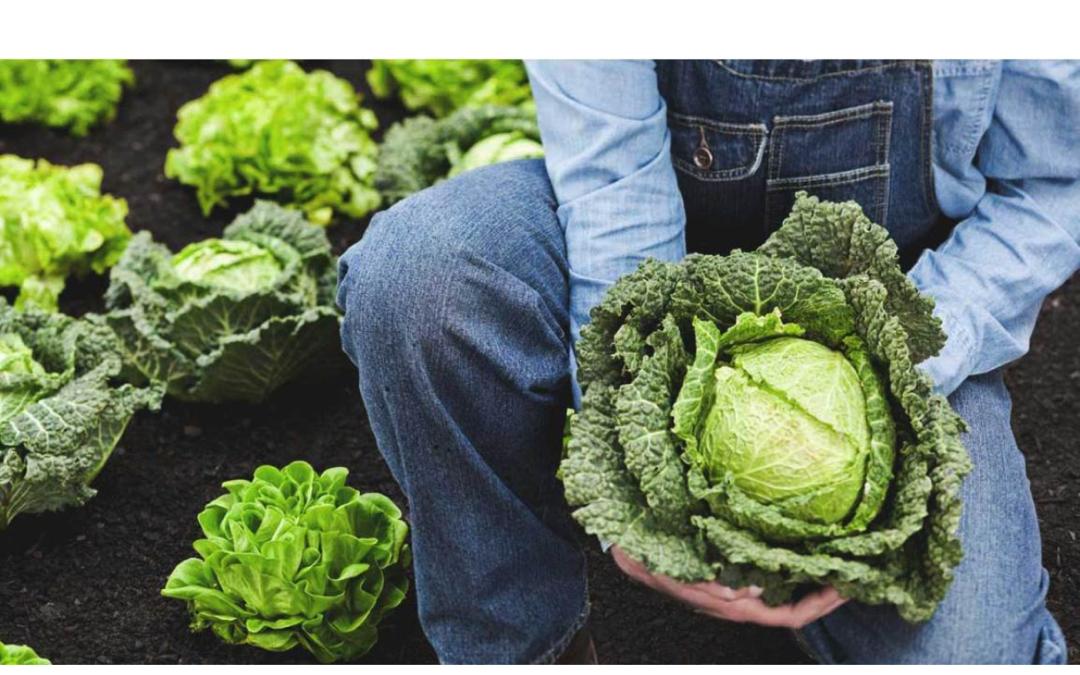
    Despite its impressive nutrient content, cabbage is often overlooked.

    While it may look a lot like lettuce, it actually belongs to the Brassica genus of vegetables, which includes broccoli, cauliflower and kale

    It comes in a variety of shapes and colors, including red, purple, white and green, and its leaves can be either crinkled or smooth.

    This vegetable has been grown around the world for thousands of years and can be found in a variety of dishes, including sauerkraut, kimchi and coleslaw.

    Additionally, cabbage is loaded with vitamins and minerals.

    This article uncovers 9 surprising health benefits of cabbage, all backed by science.

    1. Cabbage Is Packed With Nutrients
      Even though cabbage is very low in calories, it has an impressive nutrient profile.

    In fact, just 1 cup (89 grams) of raw green cabbage contains (2):

    Calories: 22
    Protein: 1 gram
    Fiber: 2 grams
    Vitamin K: 85% of the RDI
    Vitamin C: 54% of the RDI
    Folate: 10% of the RDI
    Manganese: 7% of the RDI
    Vitamin B6: 6% of the RDI
    Calcium: 4% of the RDI
    Potassium: 4% of the RDI
    Magnesium: 3% of the RDI
    Cabbage also contains small amounts of other micronutrients, including vitamin A, iron and riboflavin.

    As you can see in the list above, it is rich in vitamin B6 and folate, both of which are essential for many important processes in the body, including energy metabolism and the normal functioning of the nervous system.

    In addition, cabbage is high in fiber and contains powerful antioxidants, including polyphenols and sulfur compounds (2).

    Antioxidants protect the body from damage caused by free radicals. Free radicals are molecules that have an odd number of electrons, making them unstable. When their levels become too high, they can damage your cells.

    Cabbage is especially high in vitamin C, a potent antioxidant that may protect against heart disease, certain cancers and vision loss

    1. It May Help Keep Inflammation in Check
      Inflammation isn’t always a bad thing.

    In fact, your body relies on the inflammatory response to protect against infection or speed up healing. This kind of acute inflammation is a normal response to an injury or infection.

    On the other hand, chronic inflammation that occurs over a long period of time is associated with many diseases, including heart disease, rheumatoid arthritis and inflammatory bowel disease.

    Cruciferous vegetables like cabbage contain many different antioxidants that have been shown to reduce chronic inflammation (7).

    In fact, research has shown that eating more cruciferous vegetables reduces certain blood markers of inflammation.

    One study including over 1,000 Chinese women showed that those who ate the highest amounts of cruciferous vegetables had considerably lower levels of inflammation, compared to those who ate the lowest amounts (9).

    Sulforaphane, kaempferol and other antioxidants found in this remarkable group of plants are likely responsible for their anti-inflammatory effect

    1. Cabbage Is Packed With Vitamin C

    Vitamin C, also known as ascorbic acid, is a water-soluble vitamin that serves many important roles in the body.

    For instance, it’s needed to make collagen, the most abundant protein in the body. Collagen gives structure and flexibility to the skin and is critical for the proper functioning of the bones, muscles and blood vessels (12).

    Additionally, vitamin C helps the body absorb non-heme iron, the type of iron found in plant foods.

    What’s more, it’s a powerful antioxidant. In fact, it has been extensively researched for its potential cancer-fighting qualities .

    Vitamin C works to protect the body from damage caused by free radicals, which has been associated with many chronic diseases, including cancer.

    Evidence suggests that a diet high in vitamin-C-rich foods is associated with a lower risk of certain cancers.

    In fact, a recent analysis of 21 studies found that the risk of lung cancer decreased by 7% for each daily 100-mg increase in vitamin C intake.

    However, this study was limited because it could not determine whether the decreased risk of lung cancer was caused by vitamin C or other compounds found in fruits and vegetables.

    While many observational studies have found a link between higher vitamin C intake and a reduced risk of certain cancers, results from controlled studies remain inconsistent.

    Even though more research is needed to determine this vitamin’s role in cancer prevention, it’s certain that vitamin C plays a key role in many important functions in the body.

    While both green and red cabbage are excellent sources of this potent antioxidant, red cabbage contains about 30% more.

    One cup (89 grams) of chopped red cabbage packs in 85% of the recommended intake for vitamin C, which is the same amount found in a small orange (21).

    1. It Helps Improve Digestion

    If you want to improve your digestive health, fiber-rich cabbage is the way to go.

    This crunchy vegetable is full of gut-friendly insoluble fiber, a type of carbohydrate that can’t be broken down in the intestines. Insoluble fiber helps keep the digestive system healthy by adding bulk to stools and promoting regular bowel movements (22Trusted Source).

    What’s more, it’s rich in soluble fiber, which has been shown to increase the number of beneficial bacteria in the gut. This is because fiber is the main fuel source for friendly species like Bifidobacteria and Lactobacilli.

    These bacteria perform important functions like protecting the immune system and producing critical nutrients like vitamins K2 and B12.

    Eating more cabbage is an excellent way to keep your digestive system healthy and happy.

    1. May Help Keep Your HeartHealthy

    Red cabbage contains powerful compounds called anthocyanins. They give this delicious vegetable its vibrant purple color.

    Anthocyanins are plant pigments that belong to the flavonoid family.

    Many studies have found a link between eating foods rich in this pigment and a reduced risk of heart disease.

    In a study including 93,600 women, researchers found that those with a higher intake of anthocyanin-rich foods had a much lower risk of a heart attack.

    1. May Lower Blood Pressure

    High blood pressure affects more than one billion people worldwide and is a major risk factor for heart disease and stroke.

    Doctors often advise patients with high blood pressure to reduce their salt intake. However, recent evidence suggests that increasing your dietary potassium is just as important for lowering blood pressure .

    Potassium is an important mineral and electrolyte that the body needs to function properly. One of its main jobs is to help regulate blood pressure by counteracting the effects of sodium in the body .

    Potassium helps excrete excess sodium through urine. It also relaxes blood vessel walls, which lowers blood pressure.

    While both sodium and potassium are important for health, modern diets tend to be too high in sodium and too low in potassium .

    Red cabbage is an excellent source of potassium, delivering 12% of the RDI in a 2-cup (178-gram) serving

    Eating more potassium-rich cabbage is a delicious way to lower high blood pressure and may help keep it within a healthy range

    1. Could Help Lower Cholesterol Levels

    Cholesterol is a waxy, fat-like substance found in every cell in your body.

    Some people think all cholesterol is bad, but it’s essential for the body’s proper functioning.

    Critical processes depend on cholesterol, such as proper digestion and the synthesis of hormones and vitamin D.

    However, people who have high cholesterol also tend to have an increased risk of heart disease, especially when they have elevated levels of “bad” LDL cholesterol.

    1. Cabbage Is an Excellent Source of Vitamin K

    Vitamin K is a collection of fat-soluble vitamins that plays many important roles in the body.

    These vitamins are divided into two main groups (41).

    Vitamin K1 (phylloquinone): Found primarily in plant sources.
    Vitamin K2 (menaquinone): Found in animal sources and some fermented foods. It is also produced by bacteria in the large intestine.
    Cabbage is a terrific source of vitamin K1, delivering 85% of the recommended daily amount in a single cup (89 grams) (2).

    Vitamin K1 is a key nutrient that plays many important roles in the body.

    One of its main functions is to act as a cofactor for enzymes that are responsible for clotting the blood (41).

    Without vitamin K, the blood would lose its ability to clot properly, increasing the risk of excessive bleeding.

    1. It’s Very Easy to Add to Your Diet

    In addition to being super healthy, cabbage is delicious.

    It can be eaten raw or cooked and added to a wide variety of dishes like salads, soups, stews and slaws.

    This versatile veggie can even be fermented and made into sauerkraut.

    In addition to being adaptable to many recipes, cabbage is extremely affordable.

    No matter how you prepare cabbage, adding this cruciferous vegetable to your plate is a tasty way to benefit your health.
  • 10 Health Benefits of Grapes That’ll Make You Want to Eat the Whole Bunch

    10 Health Benefits of Grapes That’ll Make You Want to Eat the Whole Bunch

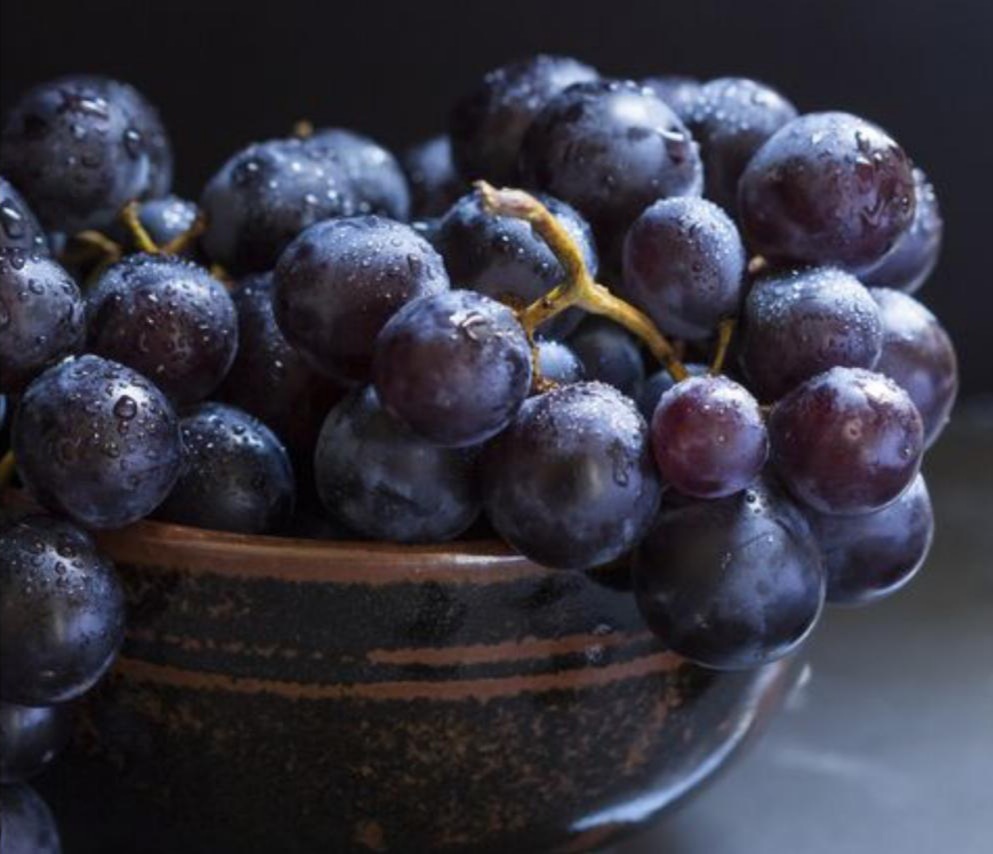
    The greatness of grapes is real! Although every type of produce has a place in your diet, snacking on green, red, or purple varieties can help you get the recommended 1½ to 2 cups of fruit you need each day, as recommended by federal guidelines.

    Right now, only 10% of Americans eat enough, according to the Centers for Disease Control and Prevention.Whether you’re looking for a low-calorie snack for weight loss or a water-filled food that can help your skin, here are the top health benefits of eating — and drinking — grapes regularly.

    1. Grapes can help with weight loss or management.

    Grapes are a low-calorie, fat-free food with a low glycemic index. These vine-growing goodies also contain compounds with antioxidant properties. One of them, resveratrol, is thought to trigger certain reactions that may improve energy metabolism.

    1. They’re a good source of vitamin K and vitamin C.
      The vitamin K in grapes and other produce supports healthy bones and tissues, while the antioxidant vitamin C promotes healing and helps your body absorb iron. Here’s what else you’ll get in a one-cup serving of red or green grapes:
      Calories: 104
      Total Carbohydrate: 27 grams
      Dietary Fiber: 1 gram
      Protein: 1 gram
      Fat: 0 grams
      Vitamin C: 27% DV
      Vitamin K: 28% DV
      Thiamine: 7% DV
      Riboflavin: 6% DV
      Vitamin B6: 6% DV
      Potassium: 8% DV
      Copper: 10% DV
      Manganese: 5% DV
    2. Grapes are an anti-inflammatory food.

    Like other plant-based foods, the antioxidants in grapes may reduce cellular damage by protecting cell membranes. Eating about 1 to 2 cups of grapes per day can help shield your tissues by limiting the chemical reactions that trigger inflammation in your body.

    1. They’re a heart-healthy snack.

    When it comes to cardiovascular health, grapes are overachievers. Some compounds in grapes can help regulate blood pressure, reduce inflammation from oxidative stress, improve blood flow, and protect your vascular system.

    1. Eating grapes can help your skin.

    Specific phytonutrients found in colorful fruits and veggies like grapes may shield skin cells from the effects of ultraviolet light radiation, according to some small studies. Also try eating more watermelon, kiwi, berries, nuts, olives, and fish for a more radiant glow.

    1. Your brain may benefit from grapes.

    Grape polyphenols may boost cognition and protect your noggin by maintaining vascular health and function. They may also play a role in signaling neurotransmitters and reducing your risk of harmful oxidation, both linked to a lower risk of cognitive decline as a part of a plant-based diet.

    1. They can lower your risk of diabetes.

    Resveratrol, one of immune-boosting antioxidants found in grapes, is specifically linked to improving blood sugar regulation by affecting carbohydrate metabolism. That said, grape-flavored products can contain lots of added sugar, which has the reverse effect! Make sure you’re eating grapes in their least-processed form (fresh or freeze-dried grapes or wine!) to reap the benefits.

    1. They count toward hydration.

    Little known fact: Grapes are 82% water. Proper hydration is directly linked to skin appearance, cell regeneration, and overall health. You get H2O from more than just beverages, though. High-water foods like — you guessed it — grapes can help your skin stay hydrated too.

    1. Eating more grapes can reduce risk of some cancers.

    The benefits of veggies and fruit make them no-brainers when it comes to choosing meals and snacks. High-antioxidant foods like grapes are linked to a lower risk of some cancers by protecting cellular DNA, reducing oxidative stress, and limiting reactions that initiate tumor growth and development.

    1. Drinking grapes has benefits, too!

    As if you needed another reason to pop a bottle: The phenolic compounds in grapes are still present after they’ve undergone the fermentation process, a.k.a. when they become vino. A whole host of research links regular wine consumption (in moderation, of course!) to a reduced risk of chronic disease and improved health overall. We’ll drink to that!

  • Surprising Health Benefits Of Cloves

    Surprising Health Benefits Of Cloves

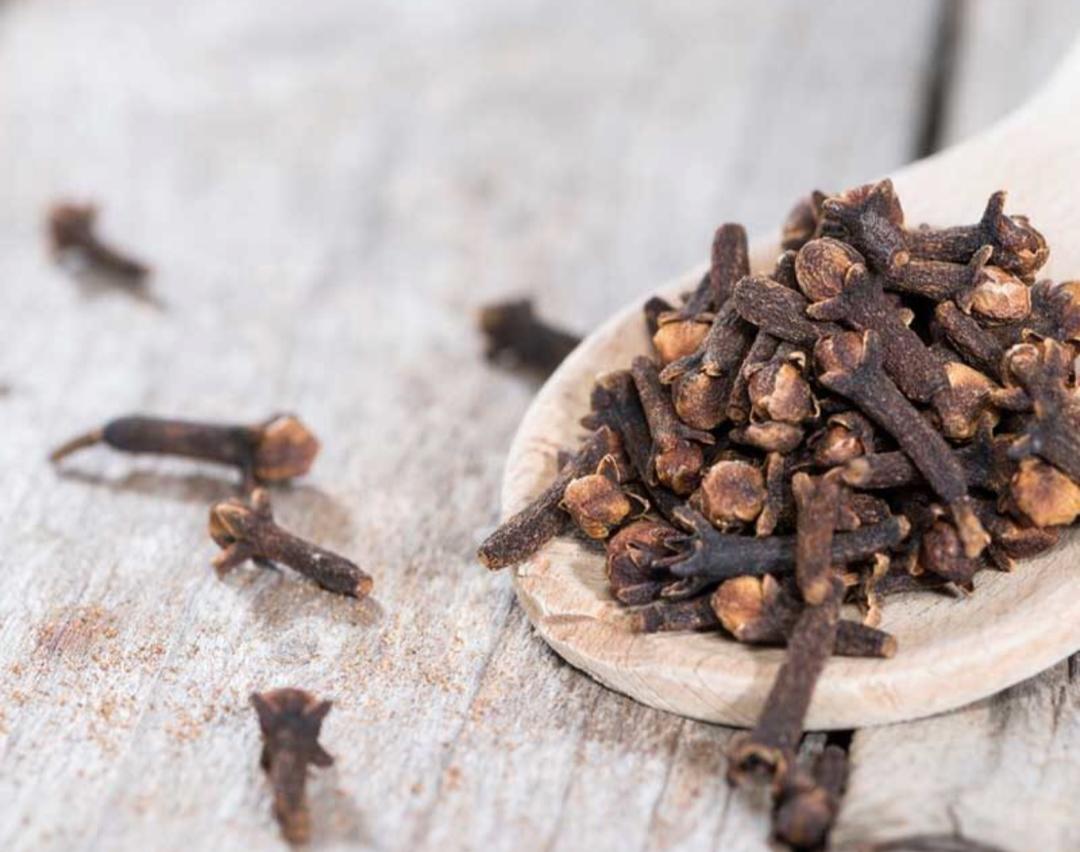
    Cloves are the flower buds of the clove tree , an evergreen also known as Syzygium aromaticum.
    Found in both whole and ground forms , this versatile spice can be used to season pot roasts add flavor to hot beverages and bring spicy warmth to cookies and cakes.


    Cloves are best known as a sweet and aromatic spice but they have also been used in traditional medicine.


    In fact, animal studies have found that the compound in cloves may have several health benefits including supporting liver health and helping stabilize blood sugar levels.
    Below are some health benefits of eating cloves

    1. Cloves kills bacteria:
    Cloves have been shown to have anti microbial properties, meaning they can help stop the growth of microorganisms like bacteria.

    2. May improve liver health:
    One animal study feed rats with fatty liver disease mixtures containing either clove oil or eugenol. Both mixtures improved liver function, reduction inflammation and decreased oxidative stress.

    *3. May help regulate blood sugar:
    Animal study found that clove extr*act helps moderate blood sugar increase in mice with diabetes.

    ***4. Contains important nutrients: **cloves *contains fiber , vitamins and minerals so using whole ground cloves to add flavor to your food can provide some important nutrients.
    One teaspoon (2 grams) of ground cloves contains
    . Calories: 6 . Carbs : 1 gram . Fiber: 1 gram . Magnese: 55% of the daily value (DV) . Vitamin k 2 % of DV

    *5. High in antioxidants: *
    Antioxidants are compounds that reduce oxidative stress which can contribute to the development of chronic disease.

    6. May reduce stomach ulcers:
    Stomach ulcer also known as peptic ulcer are painful sores that form in the lining of the stomach, duodenum or esophagus.
    In animal study, essential oil from cloves was shown to increase the production of gastric mucus
    Gastric mucus functions are a barrier and helps prevent erosion of the stomach lining from digestive acids.

    Did you know cloves is very good for candidiasis and tightening of the vagina ?
    Cloves have many potential health benefits which is very good to your health.

    Story by; Doris Martey

  • 10 Unknown Benefits From Kissing

    10 Unknown Benefits From Kissing

    Do you ‘kiss’ regularly or it’s been ages since you had your first kiss? Do you kiss for fun or there is a different reason attached? Are you shy when giving a kiss to your aunt, Mother, Father, siblings or even your girlfriend or boyfriend? Or should we go the couple way where couples especially in Africa kiss only when they are getting married?

    Kissing is nothing new in the western world compared to Africa where kissing is seen as ‘bad and disgusting’. Gosh, who are you to even kiss in front of thousands of people as the Westerners do! You are a dead man walking in the wonderland already!

    We are misled by our beliefs and conceptions but I guess you know the type of kiss you should give to everyone around you and I mean you should not cross your limits! Today, we have made compilation of the unknown benefits of kissing and here’s what science says:

    1. It boost your immune system

    It was found in 2014 that exchanging kisses improves your immune system as it exposes you to new germs that strengthens your immunity. Through the study, it was also discovered that couples who kiss on a regular basis share the same microbiota in their spits and also on their tongues.

    2. Kissing burns calories

    It was also disclosed that you can burn 2 to 26 calories in every 60 seconds depending on how passionately one kisses. It is not the fastest or the best way to lose weight it is sometimes more pleasant than training.

    3. It triggers your ‘happy hormones’

    Kissing gingers your brain and as a result releases chemicals that makes you feel better and good by lighting up your brain with the help of some chemicals including Oxytocin, dopamine and others which makes you euphoric and also lowers stress.

    4. It also lowers stress

    As I said earlier earlier, kissing is the best way to prevent stress. Other affectionate communications and comments like hugging and saying “I love you,” helps in impacting the physiological processes related to stress management.

    5. It helps prevent cavities by increasing saliva production

    Swapping of saliva also helps in the simulation of your salivary glands, which helps in adding up the production of saliva. Where the saliva also help in the lubrication of your mouth and eventually help make swallowing easy.

    It also aids in the prevention of food particles from sticking in your teeth which can help prevent tooth decay and cavities.

    6. It is also good for your heart

    According to Andrea Demirjian, the author of the book, “Kissing: Everything You Ever Wanted to Know About One of Life’s Sweetest Pleasures”, kissing aids in increasing your heart rate in a way that expands your blood vessels.

    And the good thing is, the expansion of your blood vessels increases your blood flow and also decreases your blood pressure which means kissing is good for the heart.

    7. It helps relieve headaches

    Kissing as I said is good for the blood vessels and can also also relieve headaches. Kissing may also help you prevent headaches by lowering stress, which is a known as headache trigger.

    8. Improves total cholesterol

    Kissing also helps in the improvement in serum cholesterol which in turn prevents the risk of contracting several diseases including strokes and stroke.

    9. Reduce allergic response

    Kissing has shown to provide relevant relief from hives and other signs of allergic reaction associated with pollen and household dust mites. Stress also worsens allergic reactions, so kissing effect on stress may also reduce allergic response that way.

    10. Kissing reduces nervousness

    Lastly, kissing helps you to keep calm. The affection that kissing brings decreases anxiety and increases relaxation and wellness of your mind and body.

    In all, kissing does not matter who you kiss as it has a great impact on our emotional and physical well being, so kiss and kiss often. It’s good for your health!

    Opera